Pickup trucks put in a different kind of work than most cars. Even when they are not towing every day, they carry heavier loads, sit higher, and deal with more wind, more weight transfer, and more stop-and-go strain. Over time, that adds up in places you might not expect.
If your truck has started to feel louder, rougher, or less predictable, it does not automatically mean something major is failing. It often means a few common wear points are catching up. Here are six issues we see again and again on pickups, plus what they tend to look like in real life.
Why Pickup Trucks Get Hit With Specific Wear Patterns
Trucks are built tough, but they are not immune to physics. Extra weight and towing load the drivetrain and cooling system more. Bigger tires and higher ride height put more demand on steering and suspension parts. Add rough roads, potholes, and temperature swings, and it is easy to see why certain problems show up more often on trucks than on sedans.
1. Front-End Wear That Shows Up As Clunks, Wandering, Or Uneven Tire Wear
Front-end parts take a beating on pickups, especially if the truck hauls or tows regularly. Ball joints, tie rods, control arm bushings, and sway bar links can wear and develop play. Once that happens, the steering can feel loose, the truck may drift, and you may hear clunks over bumps. We see a lot of this after a season of rough roads or repeated pothole hits.
2. Brake Problems From Extra Weight And Heat
Trucks ask for more of their brakes because they are heavier, and they often carry cargo or pull trailers. That extra weight creates extra heat, which can wear pads faster and stress calipers and brake fluid. A common early sign is a brake pedal that starts to feel inconsistent, or a truck that pulls slightly when braking. If one wheel is dragging due to a sticking caliper, it can also create a hot smell and faster pad wear on that corner.
3. Cooling System Weak Points That Turn Into Overheating
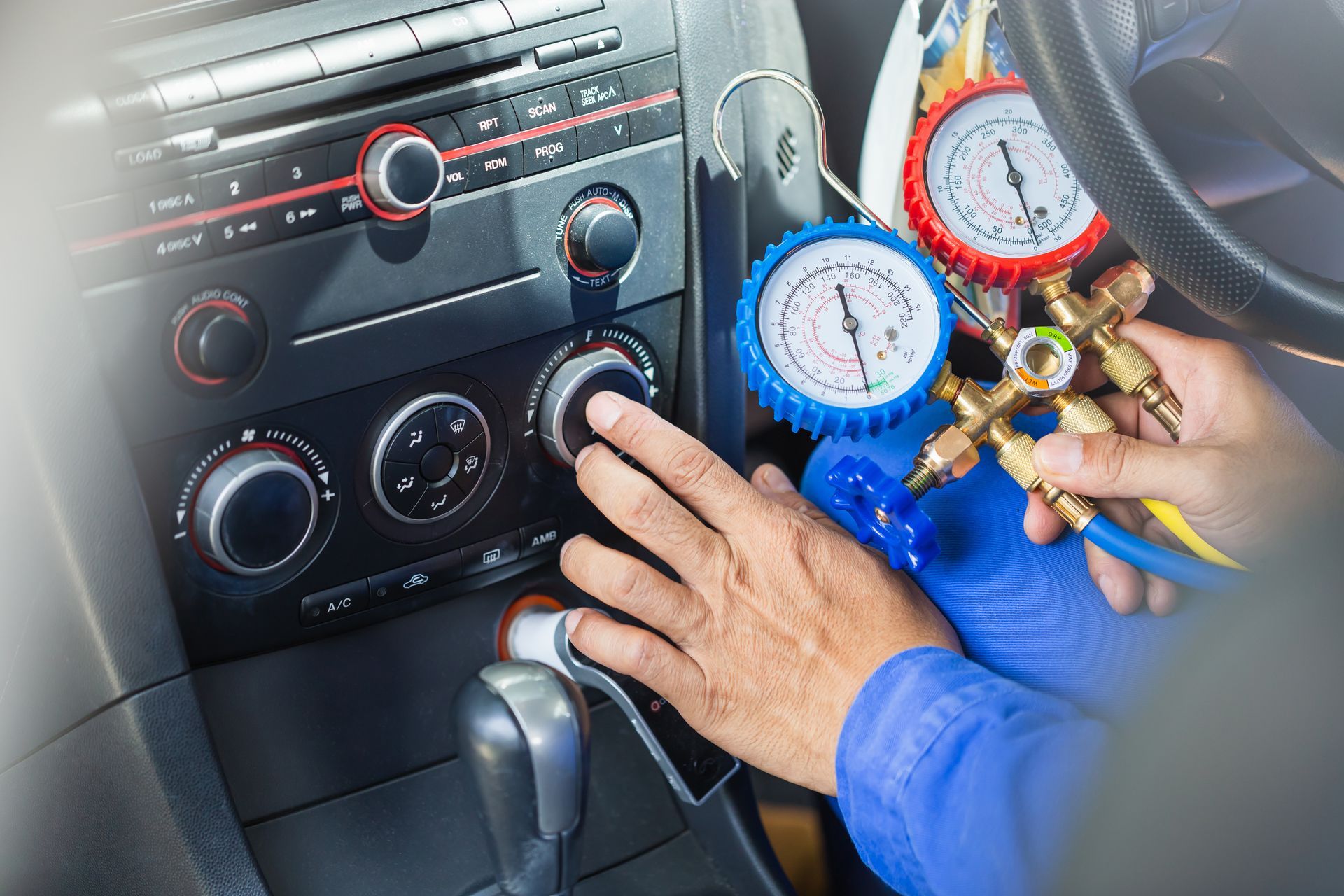
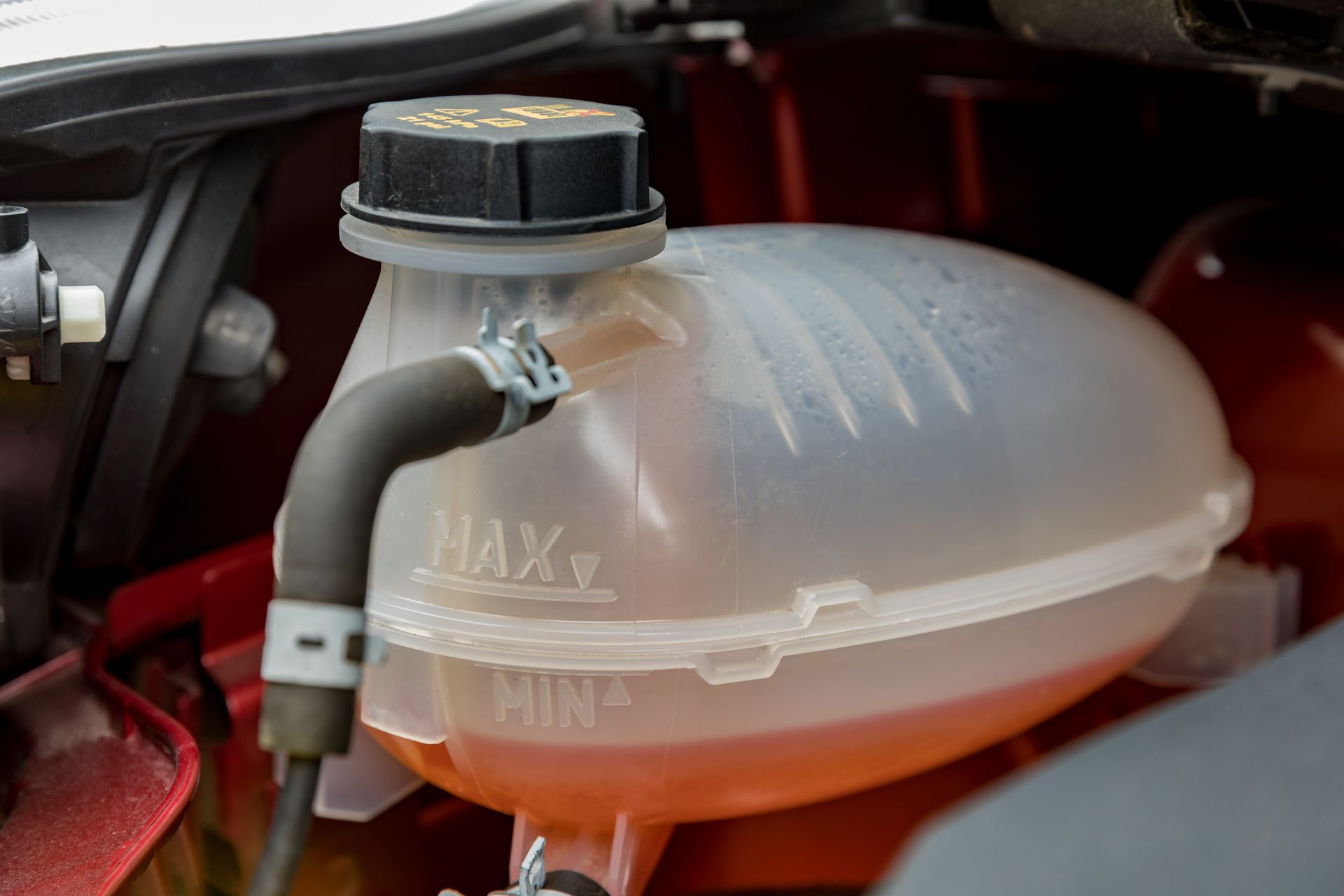
Cooling systems on trucks work hard, especially during towing, long highway pulls, or slow traffic in warm weather. Hoses, radiator seams, thermostat housings, and water pumps are typical failure points. Sometimes the only clue at first is coolant level slowly dropping or heat that seems fine at speed but creeps up in traffic. If your heater output becomes inconsistent, that can also happen when coolant level is low or air is getting into the system.
4. Transmission Shifting Issues Under Load
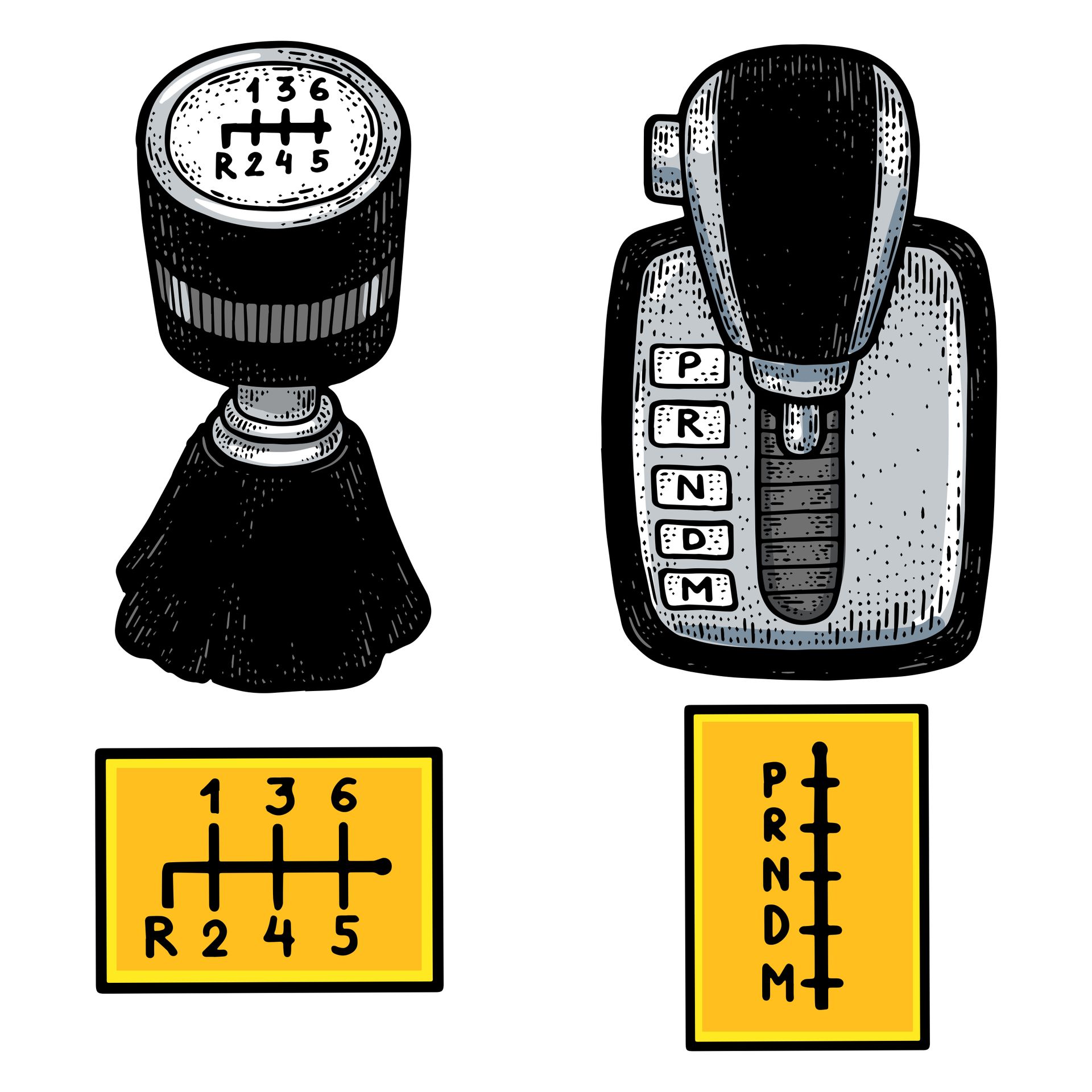
A truck transmission can behave perfectly around town and still struggle under towing load. Heat and fluid conditions matter a lot here. Delayed shifts, hunting between gears, harsh engagement, or a shudder during acceleration can point to fluid breakdown, a control issue, or internal wear that is starting to show itself. In our bays, the trucks that get the best transmission life are usually the ones that stay on top of service intervals and address small changes early.
5. Steering Noises And Clicking During Turns
Clicking while turning is often blamed on the steering wheel itself, but the sound usually comes from parts that move under steering angle. CV axles on 4x4 and AWD trucks can click if the joints wear or if a boot tears and loses grease. Steering and suspension joints can also make a click or pop if they have some play. If the noise is rhythmic during a tight turn, that tends to point more toward a rotating joint like a CV axle.
6. Electrical And Charging Issues That Create Random Warnings And No-Start Moments
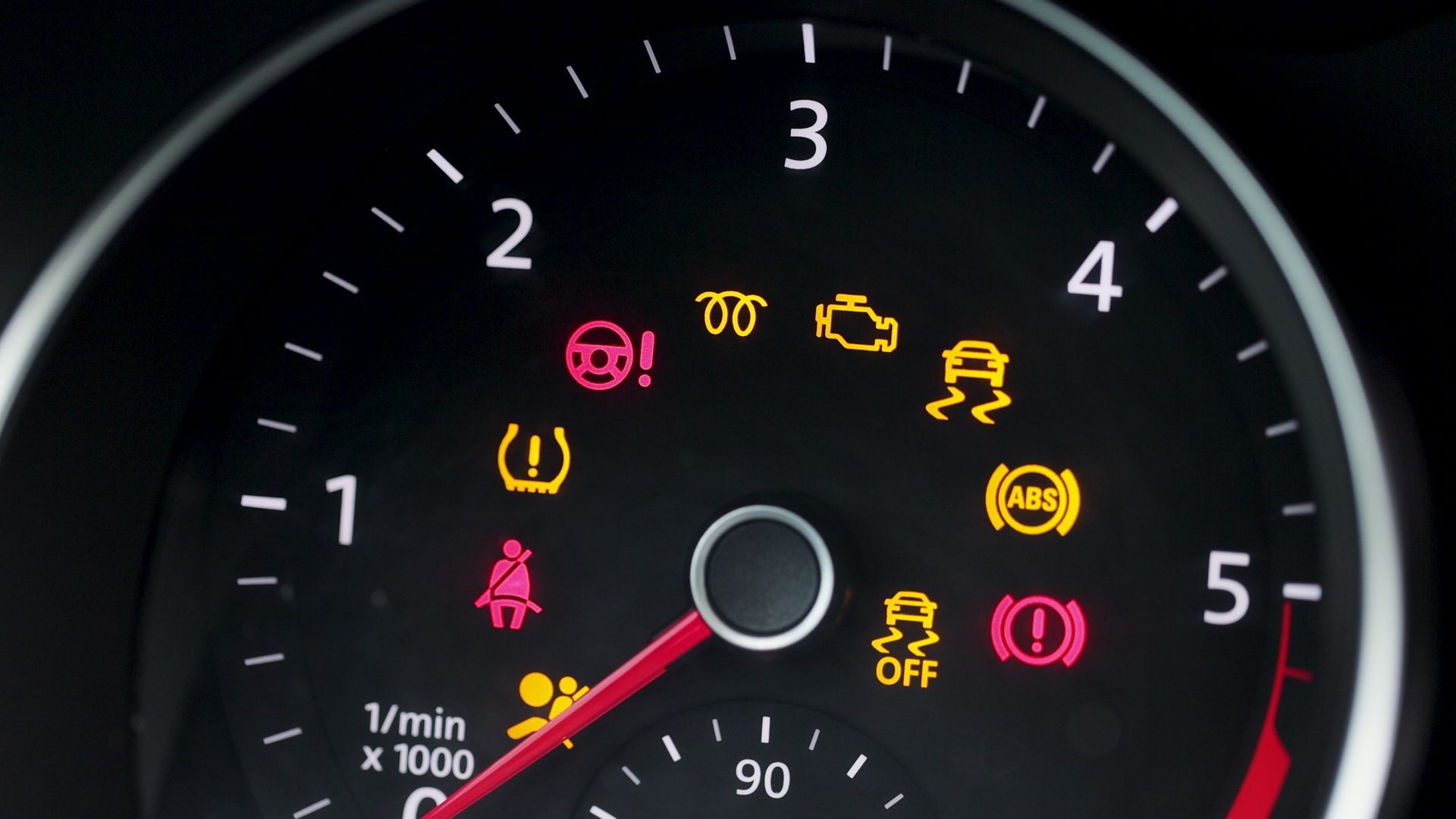
Modern trucks have more electronics than ever, and they rely on steady voltage. A weak battery, alternator issues, corroded cables, or a worn ground connection can trigger a mess of symptoms. You might see intermittent dashboard warnings, slow cranking, or accessories acting odd. Here are a few patterns that often show up with voltage or connection problems:
- The truck cranks slower in the morning, even after a longer drive the day before.
- Headlights dim slightly at idle when the A/C or blower is on.
- The battery light flickers, then disappears, then comes back days later.
- The truck starts fine for weeks, then has one sudden no-start episode.
Power windows or the radio act inconsistent right after startup.
When Several Problems Show Up At Once, What Usually Matters Most
It is common for truck issues to overlap. Worn front-end parts can chew up tires, which then makes the ride noisier. Brake drag can hurt fuel economy and make the truck feel sluggish. Cooling problems can add stress to transmission performance because heat affects everything under the hood.
The smartest approach is to treat safety and heat first. Brakes, steering looseness, and overheating risks deserve priority because they can change quickly. After that, you can address drivability and comfort issues in a way that actually sticks.
Get Pickup Truck Service in Poynette, Cottage Grove, & Madison, WI with Grahams Auto & Truck Clinic
We can inspect your truck from the front end and brakes to the cooling system, drivetrain, and electrical health, then recommend repairs that match what your truck needs right now. We’ll focus on dependable performance for daily driving, hauling, and towing.
Call
Grahams Auto & Truck Clinic in Poynette, Cottage Grove, & Madison, WI to schedule pickup truck service and keep your truck ready for the work you ask of it.