The timing belt keeps your engine’s top and bottom ends moving in perfect sync. When the belt wears, stretches, or loses teeth, the rhythm slips, and parts that should never touch can collide. You will not always get a clear warning before failure, which is why knowing the risks and the real-world symptoms matters if you want to avoid an expensive repair.
What the Timing Belt Actually Does
On engines that use a belt, the crankshaft turns the camshaft through a toothed rubber belt with internal cords. That belt sets when the valves open and close relative to piston position. If timing drifts, the engine runs poorly. If the belt jumps or breaks, many engines stop instantly. On interference engines, open valves can meet rising pistons and bend, leading to a cylinder head rebuild or replacement. That is the nightmare scenario we try to prevent with on-time service.
Why Belts Wear Out Even on Low-Mileage Cars
Age is as important as miles. Rubber hardens with heat cycles and time, especially during Wisconsin winters and summers. Oil seepage from a valve cover or cam seal can soften the belt, while coolant from a water pump leak weakens it from the other side. Belts also live under constant tension. Even if you drive short trips around Cottage Grove or Madison, the belt still sees every start up, every warm up, and all the underhood heat that follows.
Common Warning Signs Before a Failure
You may not get a dashboard message, so pay attention to how the car feels and sounds.
- Chirp or light slapping noise from the front of the engine at idle
- Misfire at start up that smooths out as you rev
- Sudden loss of power or a stumble climbing a hill
- Visible cracking, glazing, or missing teeth if the cover allows inspection
- Coolant drip or pink crust near the water pump, which shares the belt on many engines
Any of these deserves an inspection. They do not prove the belt is failing today, but they often show the system is close to its service window.
What Happens When a Timing Belt Breaks at Speed
If the belt snaps while cruising, the engine usually dies immediately, and you lose power assist for steering and brakes. On non-interference engines, you can often tow the car, replace the belt, and be back on the road. Interference engines are different. When pistons and valves meet, the force bends valve stems and can crack guides.
Sometimes the camshaft stops abruptly and damages caps or journals. At that point, the repair can involve removing the cylinder head, replacing bent valves, checking piston tops, and renewing seals and gaskets. Preventing that outcome is the point of maintenance intervals.
Intervals: Why One Number Does Not Fit All
Most manufacturers call for replacement between 60,000 and 105,000 miles, often with a time limit of 6 to 10 years. Those are guidelines, not guarantees. Short-trip driving that never fully warms the engine, long idling in winter, and age all push you toward the early end.
If you bought the car used and the belt history is unknown, do not assume it was done. We look for service records, date codes on past parts, and any oil or coolant evidence around the covers. When in doubt, planning the service before a long trip is the safe move.
Why the Water Pump, Tensioner, and Seals Matter
The belt runs as a system. The tensioner keeps the load steady, the idler pulleys guide the belt, and on many cars, the water pump is driven by the same belt. If a bearing in the tensioner or pump starts to drag, it overheats and locks, which can shred a good belt.
That is why a proper timing service usually includes a new belt, tensioner, idlers, and water pump, plus fresh coolant. We also inspect and replace cam and crank seals if needed to keep oil away from the new belt. Doing it together saves labor and protects the fresh parts for the full interval.
How We Verify Timing Health Before We Replace
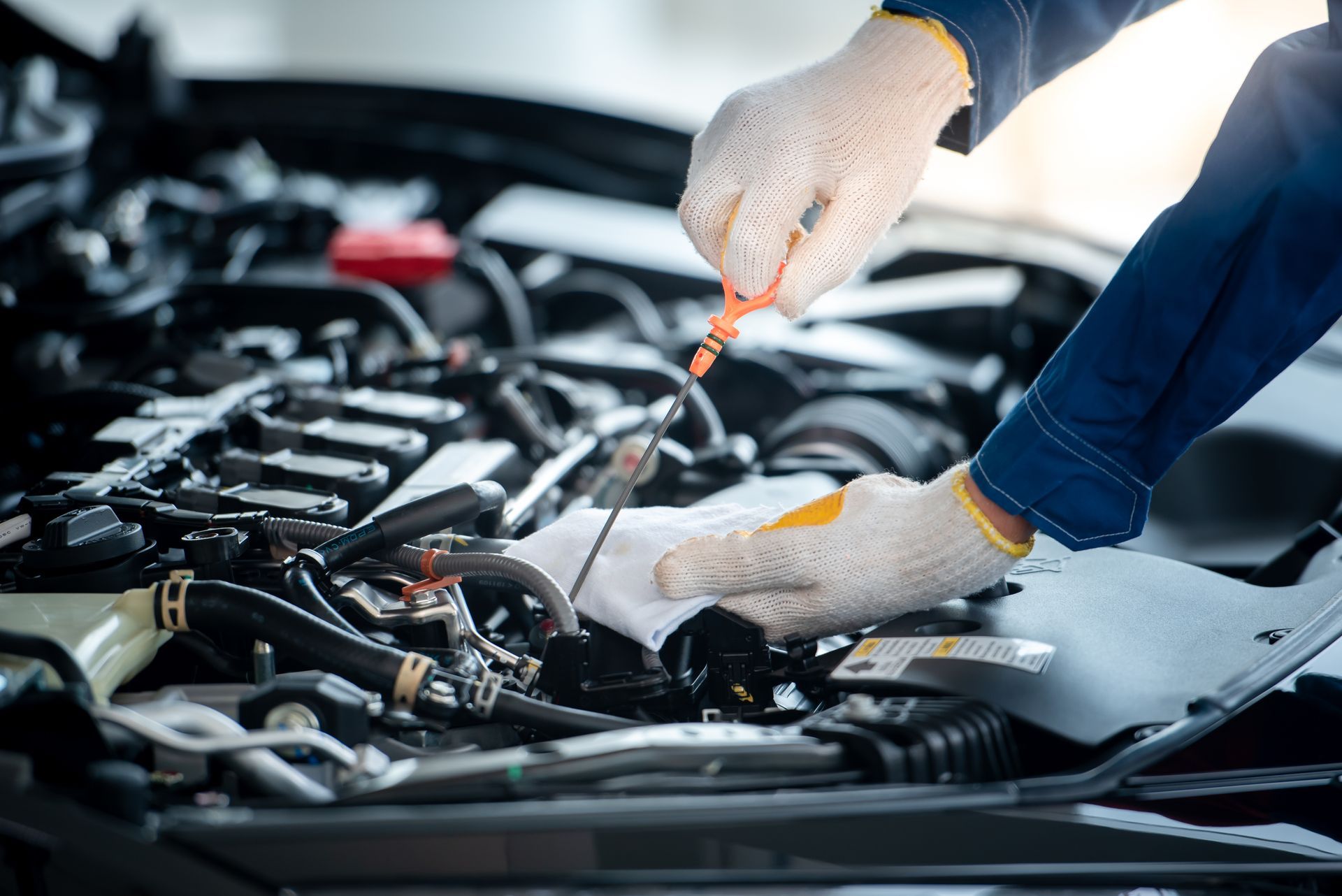
Good inspection starts with access. We remove the necessary covers, check belt condition and tension, and look for witness marks that show the belt has walked or skipped. We rotate the engine by hand to verify that timing marks align perfectly.
If the engine arrived with a no start, we confirm compression and, when appropriate, do a leak down test to assess valve sealing. These steps tell us whether you are ready for a routine timing service or whether internal damage must be addressed first.
Get Professional Timing Belt Service in Cottage Grove and Madison with Grahams Auto & Truck Clinic
If your belt is due by miles or years, or you have new noises, leaks, or timing concerns, visit our Cottage Grove or Madison shop. We replace the belt, tensioner, idlers, and water pump where applicable, set timing precisely, and verify quiet operation before you leave.
Book your appointment and protect your engine from the most preventable failure it can face.