You watch a quick tutorial, grab a socket set, and suddenly the job looks like a Saturday win. Then one bolt snaps, the car won’t move, or a safety system gets disturbed, and you’re stuck figuring it out in the driveway.
Some repairs are not worth the risk.
Brake Hydraulic Work Beyond Pads And Rotors
Pads and rotors are one thing. Once you’re opening the hydraulic system, the stakes jump fast. A caliper replacement, hose repair, master cylinder work, or any job that introduces air into the lines requires correct bleeding and a firm pedal every time.
Brake fluid service is part of regular maintenance, but the procedure matters. If the pedal feels spongy, sinks, or changes after the job, don’t keep driving to see if it improves. Hydraulic brakes are not the place to experiment.
Struts And Springs That Require A Compressor
Suspension springs store a surprising amount of energy. When you remove a strut assembly or swap springs, you’re dealing with compressed force that can release instantly if the tool slips or the setup is wrong. That risk is why professional spring compressors and secure mounting methods exist.
Here’s what can go wrong when spring work is improvised:
- A compressor slips off the coil and the spring unloads violently
- The top mount releases unexpectedly while you’re loosening hardware
- The spring seats incorrectly and causes a lean, clunk, or sudden handling change
- A damaged strut mount or bearing gets reused and fails soon after
If the job involves compressing a spring, it belongs in a controlled setup with the right equipment.
Airbag, SRS, And Steering Wheel Repairs
Anything involving airbags, seat belt pretensioners, or SRS wiring should stay out of the DIY category. These systems are designed to fire in milliseconds, and they’re sensitive to improper handling. Pulling a steering wheel, swapping an airbag module, or probing SRS circuits with the wrong approach can create a safety hazard and expensive follow-up issues.
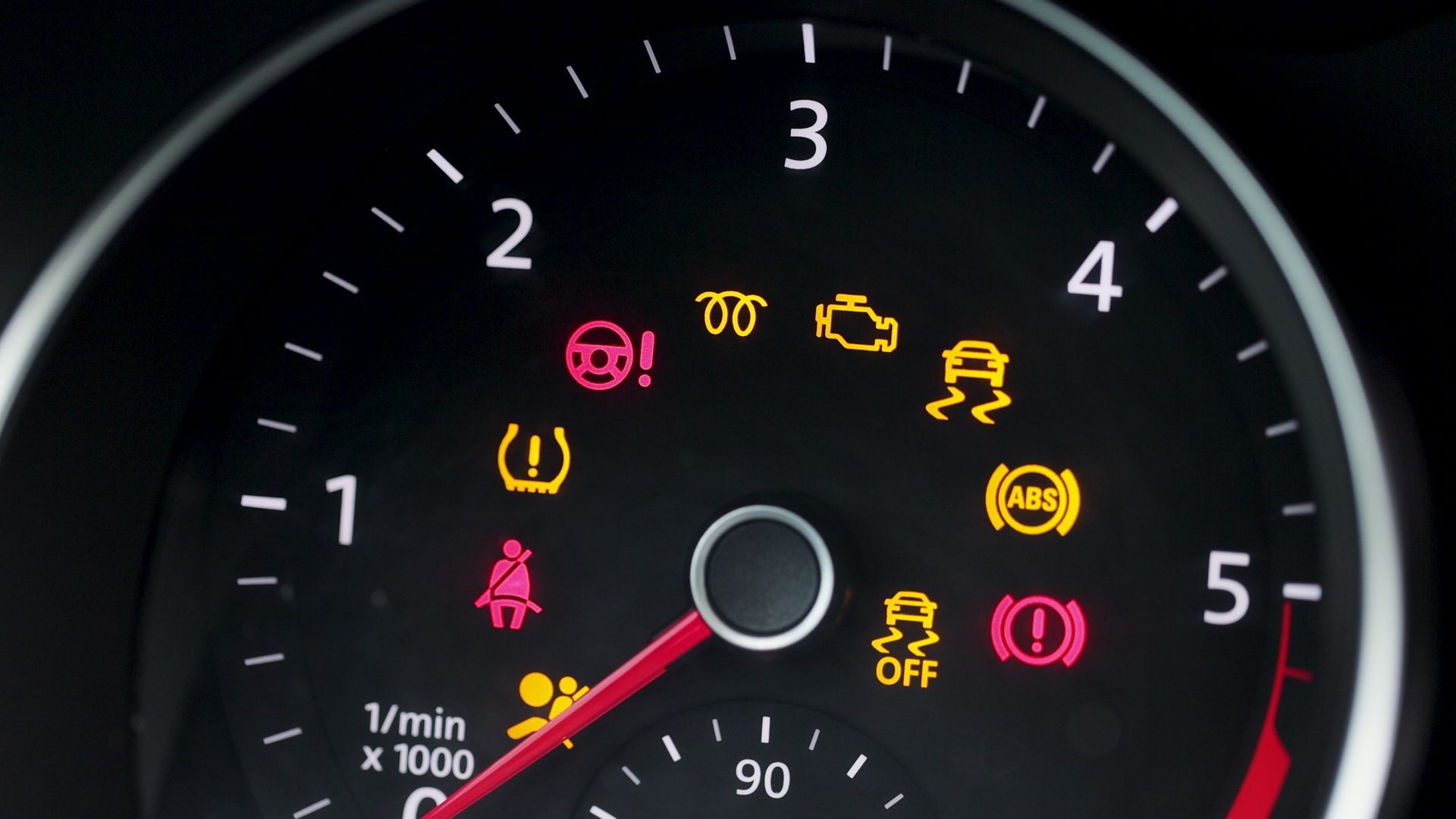
It’s also easy to create a problem you can’t clear. An SRS light is not like a basic warning light that disappears after a quick fix. If the system sees the wrong condition, it stores faults that often require proper scan capability and a correct repair sequence.
Fuel System Repairs On Modern High-Pressure Setups
Fuel systems run at higher pressure than most people realize, and newer direct-injection setups take that even further. Opening fuel lines, replacing high-pressure components, or dropping a fuel tank can lead to leaks, fuel spray, and a fire risk if the system isn’t depressurized correctly and reassembled with the right sealing steps.
Even when the repair goes fine, small mistakes cause big headaches. A minor seep can become a strong fuel smell inside the cabin, a hard-start issue, or a check engine light that keeps returning. If fuel is involved, safety and proper leak testing are non-negotiable.
Timing Belts, Timing Chains, And Internal Engine Timing
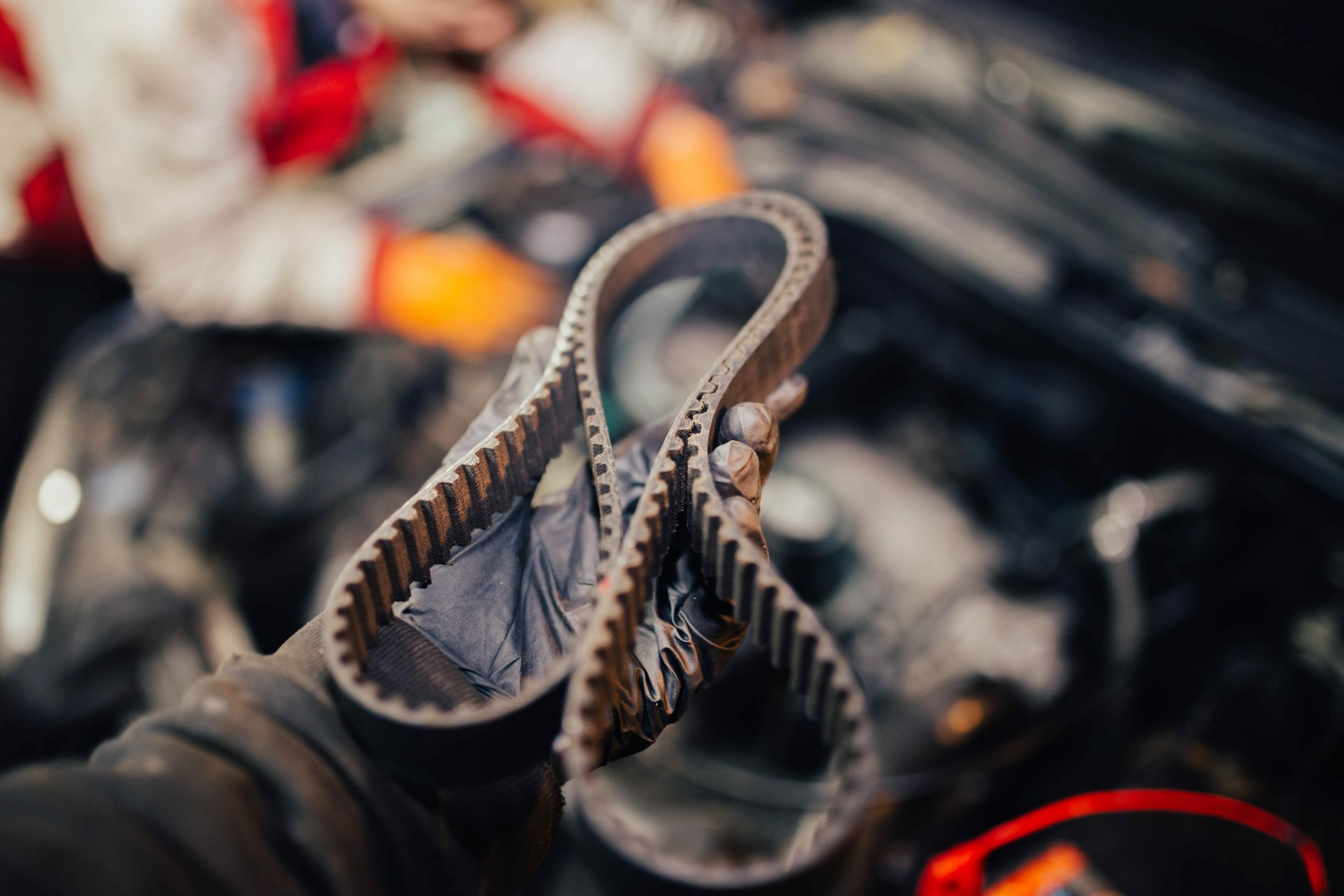
Timing work is precise, and being one tooth off can be enough to create rough running, poor power, or serious internal damage on interference engines. You’re often working in a tight space with multiple timing marks, tension procedures, and torque specs that must be followed exactly. That’s before you get into variable valve timing components that add another layer of complexity.
This is also a job where “almost right” still fails. If the tensioner isn’t set correctly or a guide isn’t seated, the engine can run fine for a short time before developing noise, misfiring, or worse. Timing jobs are worth doing once, correctly, with no shortcuts.
Press-In Wheel Bearings And Heavy Suspension Press Work
Some wheel bearings are bolt-in, and those can be reasonable for an experienced DIYer with the right tools. Press-in bearings and suspension joints are different. They require controlled pressing force, correct support points, and careful handling to avoid damaging the hub, knuckle, or bearing itself during installation.
This is where we see the same problems repeatedly: bearings pressed in crooked, hubs damaged during removal, or ABS tone rings disturbed. The result is a new noise, a warning light, or a bearing that fails early because it was loaded incorrectly during installation.
Get Auto Repair In Madison, WI With Grahams Auto & Truck Clinic
If a repair involves pressurized springs, hydraulic brakes, airbags, or fuel lines, it’s smart to step back and choose a safer path. Schedule your service with Grahams Auto & Truck Clinic in Madison, WI, and we’ll start with an inspection that confirms what’s actually needed and what can be left alone.
You’ll save time, avoid safety risks, and get back on the road with confidence.