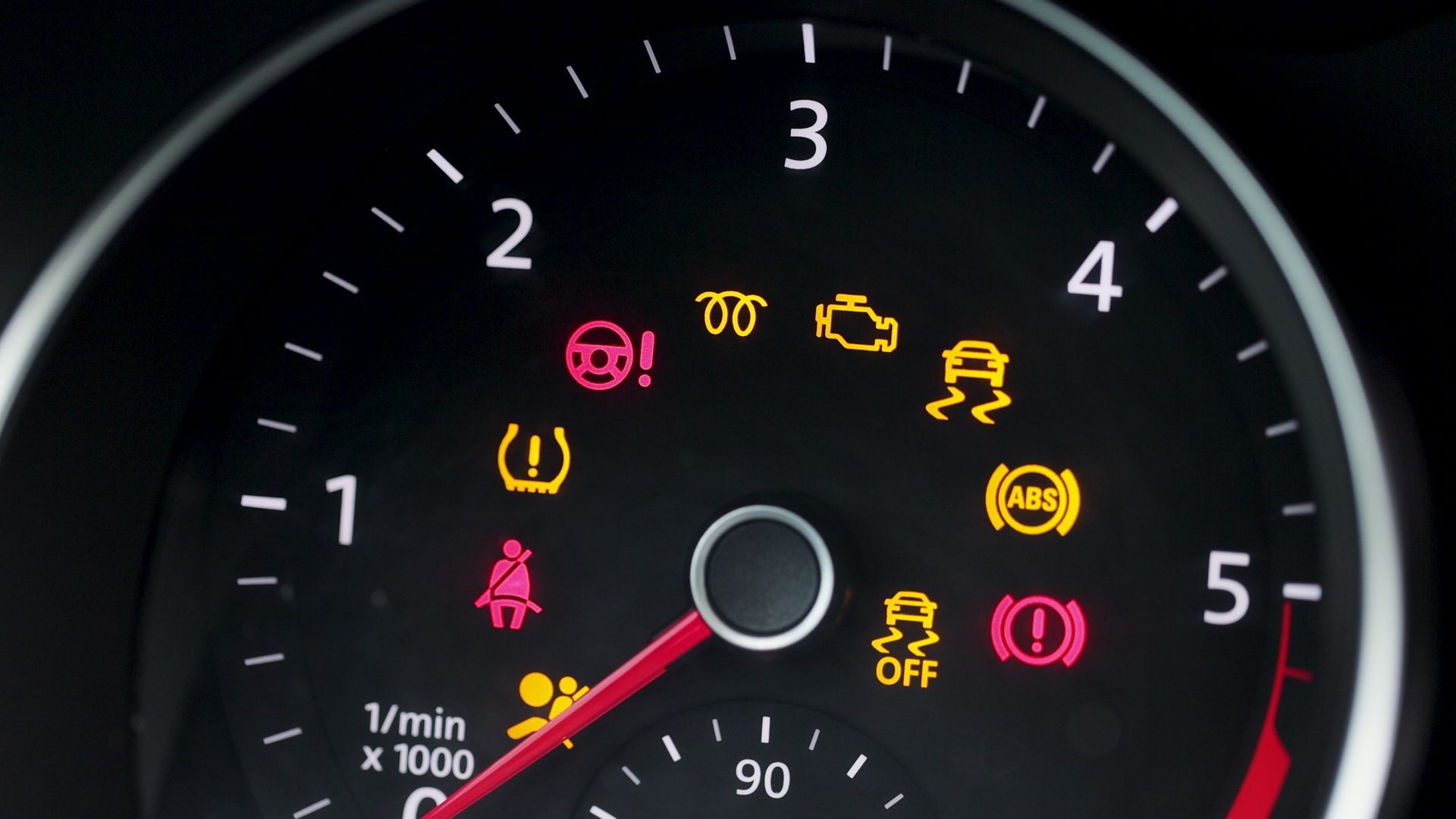
We have all been there before. You are driving home after a long day or trying to make it to a specific destination when that little amber fuel pump icon glows on your dashboard. Your heart sinks a bit as you glance at the needle resting on the red line. You start doing the mental math to figure out if you can make it another ten miles to the cheaper gas station or if you need to pull over immediately. It is one of the most common high-stakes games we play with our cars, but as a shop that sees the mechanical fallout of this game, we want to help you understand the risks.
At our shop, we hear this question all the time. People want to know exactly how much of a safety net they have. The short answer is that there is no universal number. Every car is built with a different reserve capacity, and your driving habits play a massive role in how far that reserve will actually take you.
Why Every Car is Different
If you are driving a large pickup truck, your fuel light might come on when you still have four gallons left in the tank. In a small economy sedan, that light might trigger when you only have one and a half gallons remaining. Manufacturers design these warnings based on the fuel economy of the specific vehicle. The goal is usually to give the driver enough distance to find a gas station even in rural areas, which typically equates to about thirty to fifty miles of range.
However, you cannot rely on the miles to empty display with absolute certainty. That computer is making an educated guess based on how you have been driving for the last twenty miles. If you suddenly hit a steep hill, head into a strong headwind, or get stuck in stop and go traffic, that thirty mile estimate can drop to zero in a heartbeat.
The Mechanical Dangers of Running on Empty
Aside from the obvious stress of potentially being stranded on the side of the highway, running your tank down to the very bottom is actually quite hard on your car. Many drivers think of the gas tank as just a bucket of liquid, but it is a complex system that relies on having a certain amount of fuel present at all times.
Fuel Pump Cooling: Your fuel pump is actually located inside the gas tank. It is an electric motor that generates a lot of heat while it works. The gasoline surrounding the pump acts as a coolant to keep it from overheating. When you run the tank nearly dry, the pump is exposed to air and can begin to burn itself out.
Sucking Up Debris: Over years of driving, tiny bits of sediment and dirt can settle at the very bottom of your fuel tank. When you are low on gas, the pump is more likely to suck up this concentrated gunk. This can clog your fuel filter or, even worse, damage your fuel injectors.
Air in the System: If the fuel level gets low enough that the pump sucks in a gulp of air, your engine will stumble or stall. In some modern vehicles, this can trigger a check engine light or cause the computer to go into a limp mode to protect the engine.
How to Handle the Fuel Light
If that light does pop up, the best thing you can do is stay calm and change your driving style immediately to conserve what is left. Turn off the air conditioner to reduce the load on the engine and try to maintain a steady speed. Avoid aggressive acceleration and try to coast toward red lights rather than staying on the gas until the last second.
It is also a good habit to treat the quarter tank mark as your new empty. By filling up before the light ever comes on, you ensure that your fuel pump stays cool and you never have to worry about the sediment at the bottom of the tank. It also gives you a massive cushion in case you run into unexpected traffic or a road closure that forces a long detour.
Is Your Fuel Gauge Acting Up
Sometimes we see cars in the shop where the fuel light comes on even though the tank is half full, or worse, the car runs out of gas while the needle still shows a quarter tank. This is usually caused by a failing fuel sending unit. This is a small float inside the tank that tells the dashboard how much liquid is left. If this part gets stuck or the electrical contacts wear out, it can give you a very dangerous false sense of security.
If you have noticed that your fuel gauge is jumping around or if your car seems to be using gas much faster than the needle suggests, it is time to have a professional take a look. We can test the sensors and make sure you are getting accurate information so you never end up stranded.
Let Us Help You Keep Moving
Do not wait until you are walking down the shoulder of the road with a plastic gas can in your hand. Stop by Grahams Auto & Truck Clinic, serving Poynette, Cottage Grove, and Madison, WI, today and let us give your vehicle a professional checkup. We are here to make sure your car is ready for the long haul, no matter how far the next gas station might be.
Give us a call or pull into the bay this week and we will help you stay on the road and away from the red line.