A burning smell from your car is never something to ignore. Sometimes it shows up after a long drive, during stop-and-go traffic, or right after you turn on the heat or air conditioning. The smell may fade quickly, but that does not mean the problem has gone away.
When something in the vehicle is getting too hot, rubbing where it should not, or leaking onto a hot surface, you will usually smell it before you see it.
Different Burning Smells Point To Different Problems
Not every burning smell means the same thing. Burnt oil smells different from overheated brakes, and an electrical smell has its own sharp, acrid odor that stands out once you have noticed it a few times. That is why the source of the smell, when it appears, and what the car is doing at that moment, all help narrow the problem down.
A smell that shows up after hard braking will point you in one direction. A smell that appears while the engine is fully warmed up or after parking may point somewhere else. The more specific the pattern, the easier it is to trace the cause before heat damages nearby parts.
Common Sources Of A Burning Smell
A few problems show up more than others when drivers report a burning odor from the cabin or under the hood.
- Oil leaking onto a hot exhaust manifold or pipe
- Brake pads or calipers are overheating due to the sticking parts
- A slipping serpentine belt or failing pulley
- Electrical wiring or connectors overheating
- Coolant or debris contacting hot engine components
- Clutch material overheating on a manual transmission vehicle
Each one creates a slightly different smell and will usually leave other clues behind. That is why a proper inspection should look beyond the odor itself and check for fluid leaks, heat damage, worn moving parts, and signs of dragging brakes.
Oil Leaks Are One Of The Most Common Causes
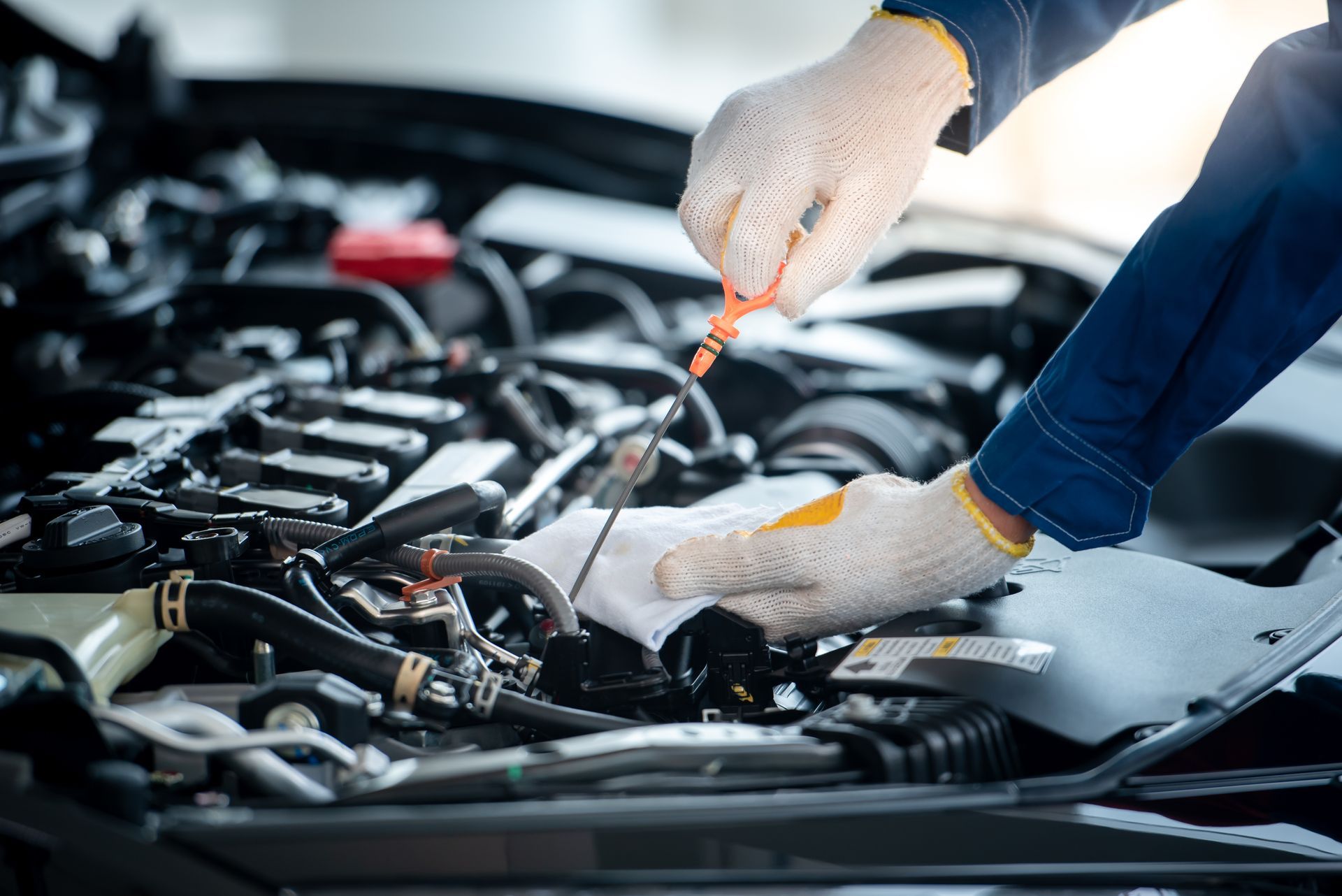
Engine oil leaking onto a hot exhaust component is one of the most common reasons a car starts to smell like something is burning. Valve cover gaskets, oil filter housings, and other upper-engine leak points often drip just enough oil to create a strong smell without leaving a big puddle under the vehicle. Once the engine heats up, that oil will burn off and send the odor into the cabin through the vents or from the edge of the hood.
This kind of leak usually gets worse with time. It starts as an occasional smell, then turns into smoke from under the hood or visible oil residue around the engine. During regular maintenance, small leaks like this are much easier to catch before they spread onto belts, hoses, and wiring.
Brake Heat Has A Smell Of Its Own
A brake-related burning smell often shows up after city driving, steep downhill roads, or repeated stops. In some cases, it comes from normal heat after heavy use, though that smell should disappear fairly quickly. If it keeps happening during normal driving, there is usually a brake problem at the root of it.
A sticking caliper, seized slide pin, or parking brake issue will keep a brake pad dragging against the rotor. That constant friction builds heat fast, and the smell gets stronger the longer you drive. You may notice one wheel feels hotter than the others, the car pulls slightly, or fuel economy drops because the vehicle is fighting that extra drag.
Belts, Pulleys, And Rubber Parts Can Overheat
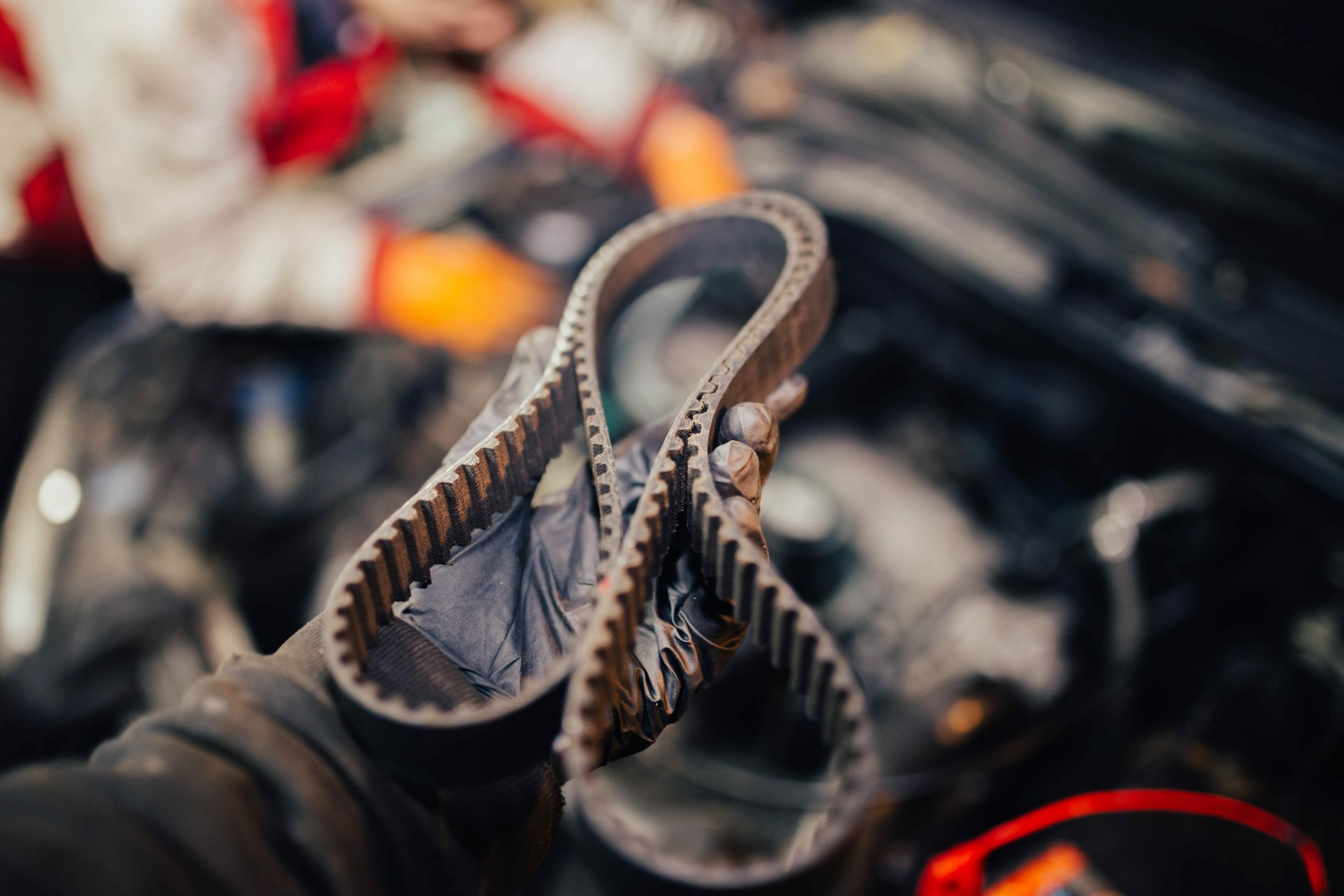
A slipping belt creates a sharp, burnt-rubber smell that is hard to miss. This usually happens when the belt is worn, contaminated with oil, or no longer maintains proper tension. If a pulley starts binding or a tensioner weakens, the belt will slide instead of gripping cleanly, and heat builds at that contact point.
Rubber hoses or plastic parts touching a hot engine component can create a similar odor. After certain repairs, loose splash shields, damaged clips, or misrouted parts may end up closer to the exhaust than they should. When that happens, the smell may come and go depending on engine temperature and road speed.
Electrical Smells Need Fast Attention
Electrical burning smells are in a different category because the risk rises quickly. Wiring insulation, connectors, blower motor circuits, battery cables, and charging system components can overheat and emit a harsh smell that does not resemble oil or brake fluid. If there is any hint of melted plastic or hot wiring, the vehicle needs attention right away.
You may notice this smell with dimming lights, flickering accessories, or a blower motor that cuts in and out. Those signs usually mean heat is building inside a circuit that is carrying too much load or has a poor connection. When electrical resistance climbs, components will overheat and fail without much warning.
Why It Should Be Checked Early
A burning smell is one of those symptoms that tends to get more expensive the longer it sits. A minor oil leak becomes smoke and contamination. A dragging brake turns into rotor and pad damage. A slipping belt will eventually stop driving the accessories it controls, which can leave you with an overheating or charging problem.
That is why it is smarter to bring the vehicle in while the smell is still intermittent. One focused inspection will usually reveal whether you are dealing with fluid on a hot surface, excess friction, or an electrical issue before the repair spreads into something bigger.
Get Vehicle Inspection and Repair In Wisconsin With Grahams Auto & Truck Clinic
If your car has started giving off a burning smell while driving, Grahams Auto & Truck Clinic, with multiple locations in Wisconsin, can track down the source and fix it before heat damages more parts. Strange odors are often the first warning that something under the hood or at the wheels is running hotter than it should.
Bring it in while the smell is still a clue instead of a breakdown.