A dashboard warning light can feel harmless when the car still drives normally. You see the symbol, finish the errand, and tell yourself you’ll check it later.
Some lights give you time. Others do not.
The tricky part is knowing which warning is asking for a service appointment and which one is telling you to stop before the repair gets expensive or unsafe. The symbol is only the start of the story, but it is a useful one.
1. Check Engine Light
The check engine light can indicate problems with emissions, fuel mixture, ignition, sensors, or engine performance. Sometimes the car feels fine because the issue is small or only shows up under certain conditions.
A steady light means the vehicle needs diagnostics soon. A flashing light is different. That can point to an active misfire, which can damage the catalytic converter if you keep driving normally. We treat a flashing light as a much more urgent warning.
2. Oil Pressure Warning Light
The oil pressure light is not an oil change reminder. It means the engine may not have enough oil pressure to protect moving parts. Low oil level, a failing oil pump, internal wear, or a clogged pickup can all be involved.
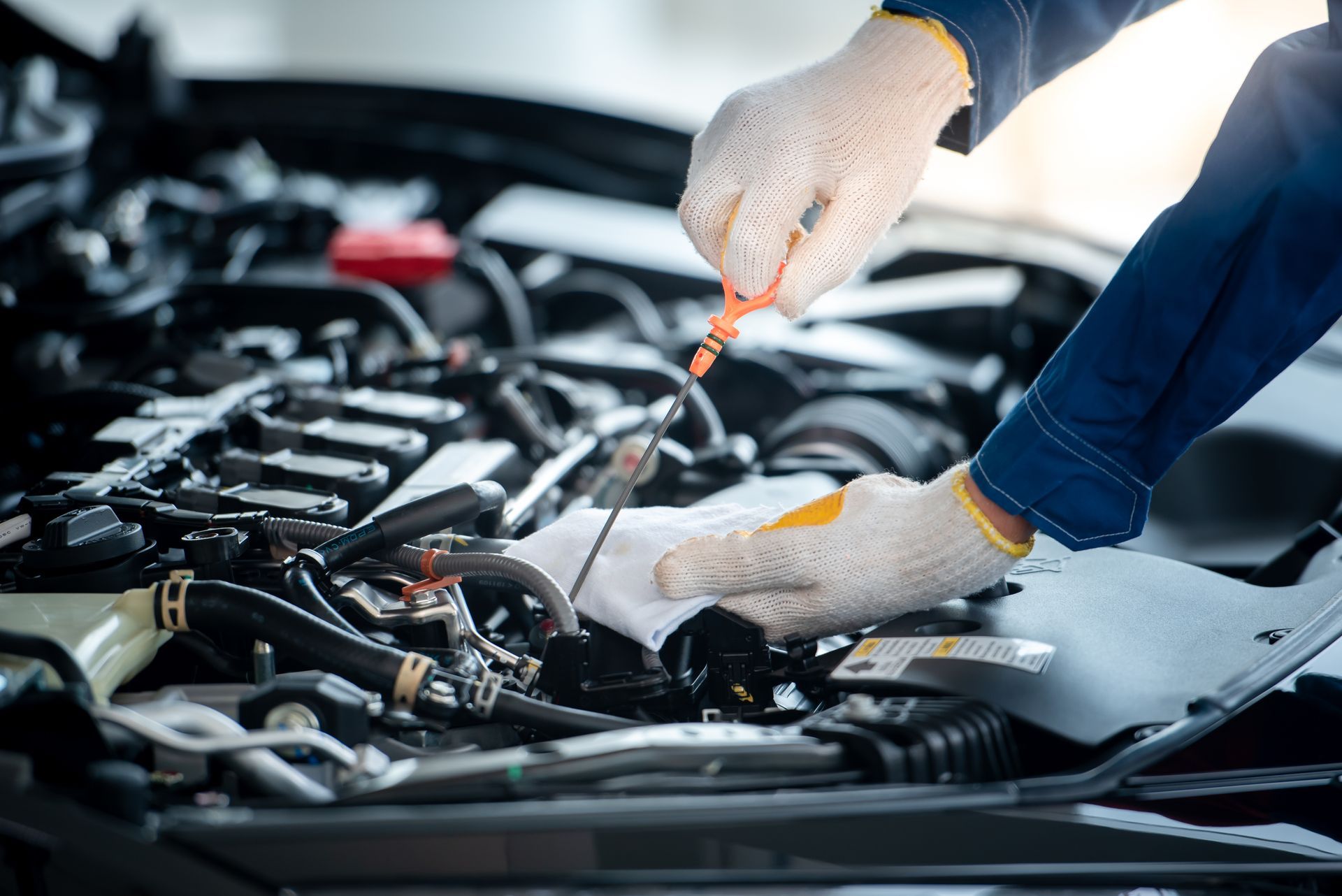
If this light comes on while driving, pull over safely and shut the engine off. The engine can be damaged quickly when the oil pressure drops. Checking the dipstick is helpful, but low pressure still needs an inspection to confirm the cause.
3. Battery Warning Light
The battery symbol is really a charging system warning. The battery starts the vehicle, but the alternator keeps power flowing once the engine is running. If the alternator stops charging, the vehicle may run only until the battery drains.
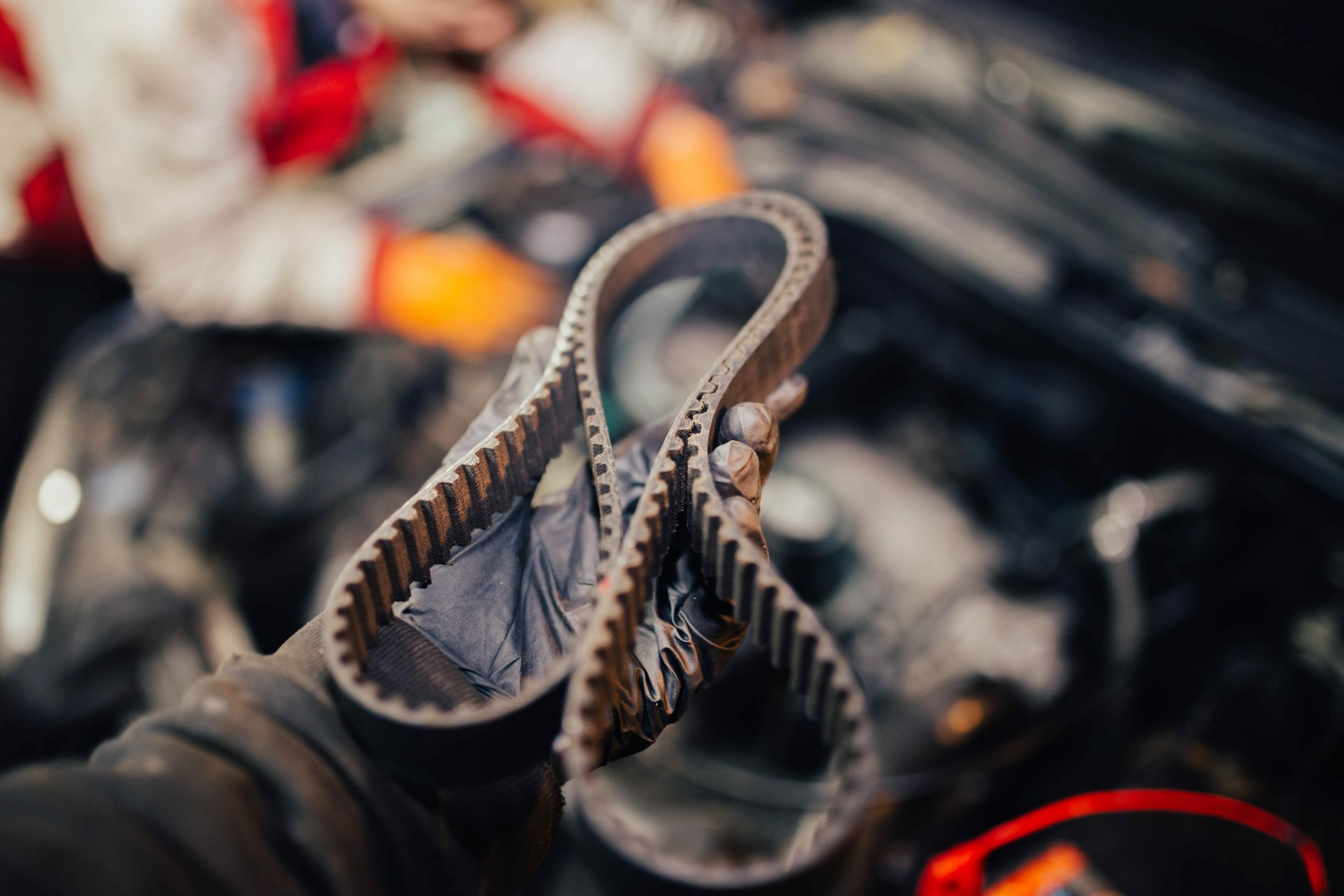
You might notice dim lights, slow accessories, flickering electronics, or several warning lights appearing at once. A weak alternator, a loose belt, a bad battery, corroded cables, or poor ground can all trigger the warning.
4. Temperature Warning Light
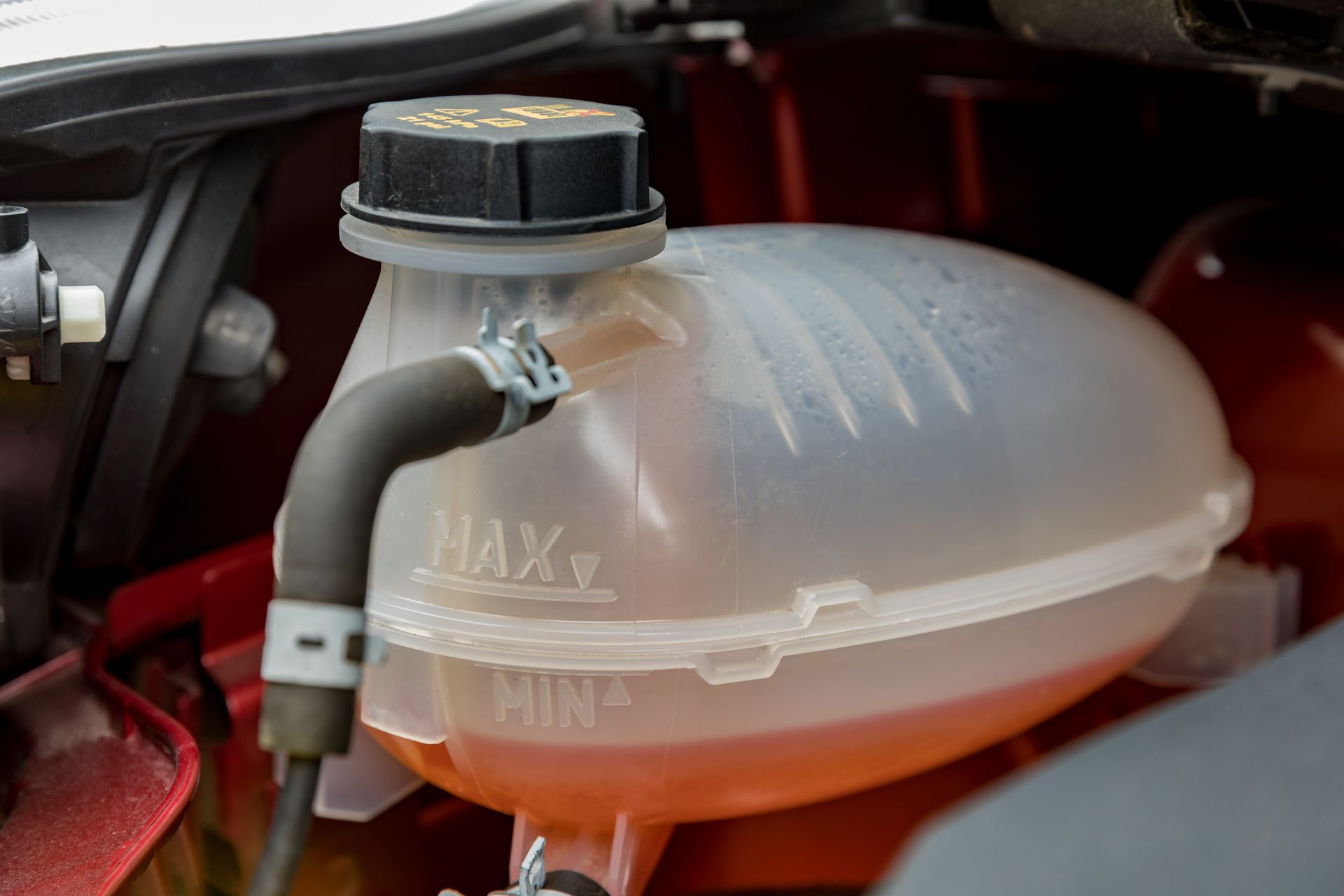
The temperature light means the engine is running too hot. That can come from low coolant, a leak, a stuck thermostat, a weak radiator fan, a bad water pump, a clogged radiator, or a pressure problem.
Do not keep driving and hope the gauge settles down. Overheating can quickly damage head gaskets, seals, and metal surfaces. Let the engine cool before checking coolant, and never open a hot cooling system.
5. Brake Warning Light
A red brake warning light needs attention. Sometimes it is as simple as the parking brake being on. Other times, it can point to low brake fluid, worn brake components, or a hydraulic problem.
If the pedal feels soft, low, or different, do not keep driving like normal. Brake fluid loss is a safety concern. During regular maintenance, brake pad wear and fluid condition should be checked before the warning light becomes an issue.
6. ABS Warning Light
The ABS light means the anti-lock braking system has detected a fault. Your regular brakes may still work, but the anti-lock feature might not help during a hard stop or on slippery roads.
Common causes include wheel-speed sensor faults, damaged wiring, tone ring problems, or ABS module issues. If the ABS light appears with the red brake warning light, the situation is more serious and should be checked right away.
7. Tire Pressure Warning Light
The TPMS light means one or more tires may be low, even if they look fine. Tires can lose several pounds of pressure before they look flat. Cold weather can also drop pressure enough to turn the light on.
Use the tire pressure listed on the driver door placard, not the number on the tire sidewall. If one tire keeps losing air, there may be a nail, a valve stem leak, a bead leak, or a wheel issue.
8. Traction Control Or Stability Control Light
A traction control light that flashes briefly during slippery driving can be normal. It means the system is working. A light that stays on is different. That can point to a wheel-speed sensor, an ABS issue, a steering angle sensor, or a traction system fault.
This warning is worth checking because traction and stability systems share data with the braking system. One bad signal can shut off more than one safety feature.
9. Airbag Warning Light
The airbag warning light indicates a fault in the supplemental restraint system. The issue could involve an airbag module, seat belt pretensioner, crash sensor, clock spring, wiring, or seat sensor.
The concern is simple. If the system is not working correctly, the airbags or seatbelt pretensioners may not deploy properly in a crash. This is not a light to clear and forget.
10. Transmission Warning Light
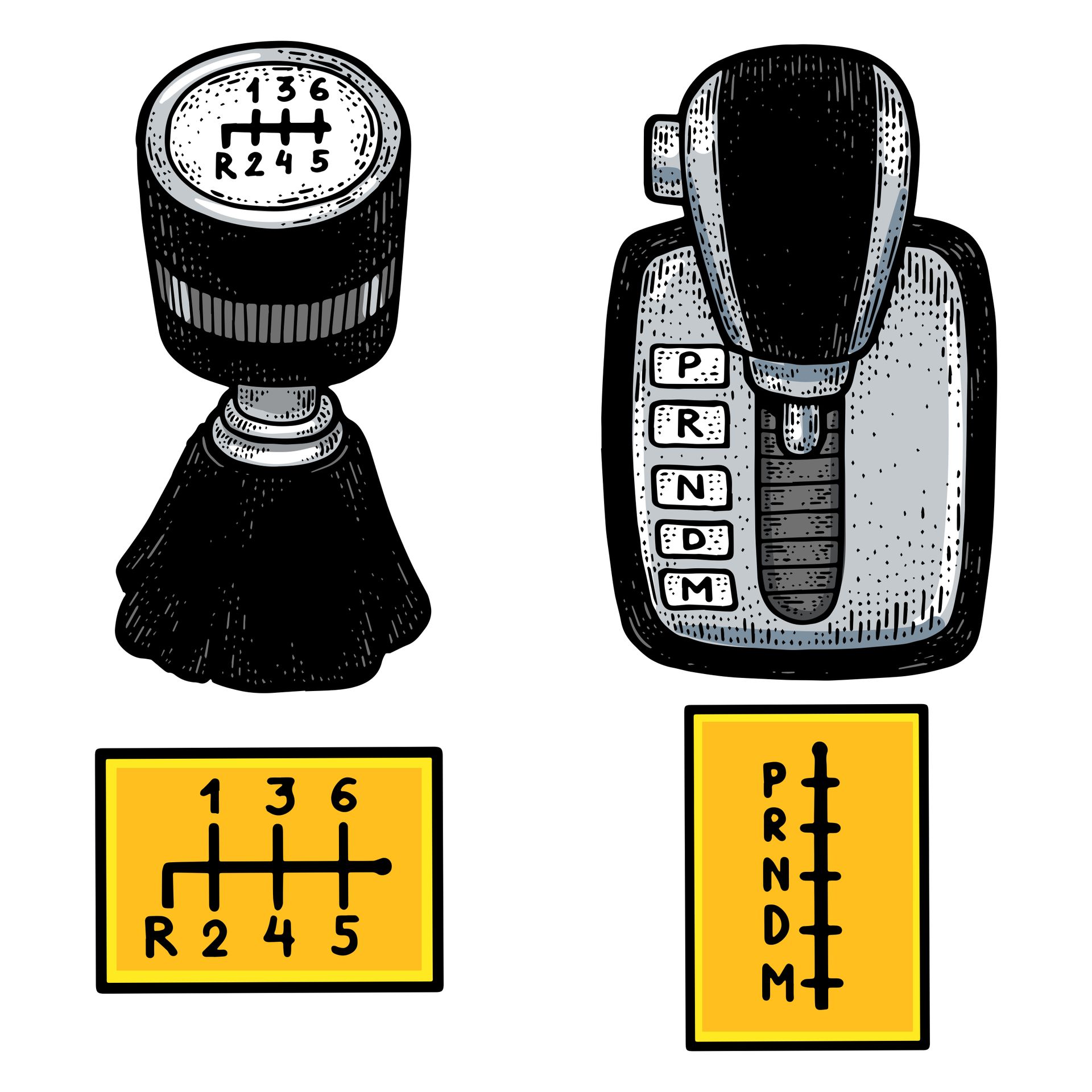
A transmission warning can indicate overheating, slipping, pressure issues, fluid concerns, or electronic control faults. You may feel delayed shifting, harsh engagement, shuddering, or reduced power.
If this light comes on, avoid towing, hard acceleration, and long drives until it is checked. Heat damages transmission fluid and can speed up internal wear. One of our technicians can scan the system and check the fluid condition before the problem gets worse.
Get Warning Light Service In Wisconsin, With Grahams Auto & Truck Clinic
If a warning light is on your dashboard, Grahams Auto & Truck Clinic can check the system, read the correct data, and explain what needs attention at our Poynette, Cottage Grove, and Madison, WI, locations.
Schedule a visit and get a clear answer before a small warning turns into a roadside problem.