Working headlights are encouraging when your car won't start, but starting the engine asks far more from the battery than switching on a lamp. The dash can light up normally while the starter struggles to turn. That makes the sound during the starting attempt especially useful.
Does the engine turn slowly, make repeated clicks, or stay completely silent? Or does it turn at its usual speed without firing? Those are different complaints. At Grahams Auto & Truck Clinic, we use that first distinction to begin checking the right system instead of choosing a battery simply because the car stayed parked.
Why a Battery Can Power Lights but Fail to Start the Engine
A starter needs a large burst of current to turn the engine. Lights and dashboard electronics use much less. A battery with low charge or reduced starting capacity can handle those smaller loads but falls short when you try to start.
Cold weather makes the weakness easier to notice. The battery delivers less power, and colder engine oil makes the engine harder to turn. A vehicle that started yesterday afternoon comfortably might crank slowly after sitting outside overnight in Wisconsin.
Watch what happens when you turn the key or press the button. Dim lights, repeated clicking, and slow engine rotation suggest checking the battery and its connections first. Battery testing then tells us whether it needs charging, replacement, or further electrical checks.
Battery Connections That Interrupt Starting Power
Electrical power needs a complete path from the battery to the starter and back. Corroded terminals, loose connections, or a damaged ground cable add resistance. Under a heavy starting load, that resistance keeps useful power from reaching the starter.
Sometimes the car starts intermittently because a connection changes with vibration or temperature. You might get a normal start one morning and a click the next. We check the condition of the connection and measure voltage loss while the circuit is working, which helps find trouble hidden inside a cable or connection.
Leave a leaking, swollen, or damaged battery alone. Battery acid and high current make improvised repairs risky. A visual description or a photo taken from a safe position is enough to help explain what you noticed when arranging service.
Starter Problems When the Engine Won't Turn
The starter combines an electric motor with a mechanism that engages the engine. If it gets the right power and start signal but won't turn, the starter assembly needs closer attention.
A single click is a clue worth mentioning, especially if the lights stay bright. The checks still include battery performance and the power connections. We also need to know whether the starting control circuit is delivering its command and whether the engine can turn normally.
An intermittent failure after a warm drive is useful information. If your car starts cold but refuses after a short stop, describe that pattern when booking. Testing while the problem is present saves time and makes it easier to confirm the repair afterward.
Starting Controls and Security Messages
A silent starting attempt sometimes begins with the controls. The vehicle needs to recognize the key, confirm the gear position, and receive the required brake or clutch signal before it allows starting.
Look for a key warning, a message asking you to press the brake, or a gear display that seems wrong. Follow the owner's manual for the approved backup procedure if a key fob battery is weak. Those details help us check the starting command instead of assuming the starter motor has failed.
Avoid bypassing switches or bridging electrical terminals. Those shortcuts can move the vehicle unexpectedly and damage its electronics. Keep it parked safely while you arrange help.
When the Engine Cranks but Won't Start
Normal cranking changes the direction of the inspection. The starter is turning the engine, so we check what the engine needs to run: fuel delivery, ignition where fitted, correct mechanical timing, and control signals. A gasoline engine that cranks but won't fire is a different job than one that barely turns. Recent refueling, an engine warning before the failure, or a stall during the previous drive gives us useful starting information. Repeated long attempts drain the battery and heat the starter, so follow the cranking limits in your manual.
What to Notice Before a Starting-System Check
You can help the appointment start in the right place by recording a few observations:
- Whether the engine turns slowly, normally, or not at all
- Whether you hear repeated clicks or a single click
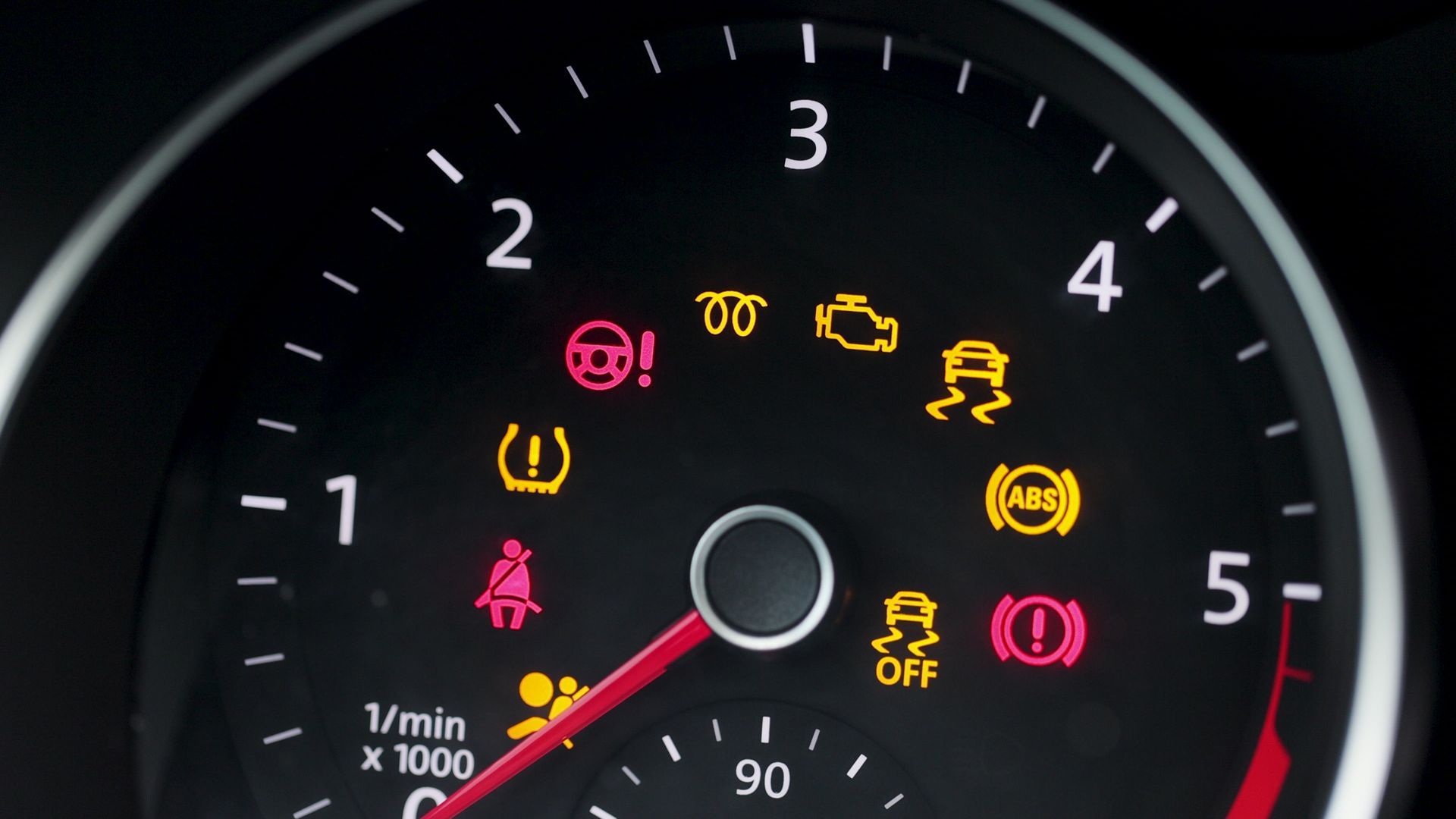
- What the dashboard messages say
- Whether the problem follows overnight parking or a warm drive
- Whether a recent jump-start changed the result
- Any recent battery replacement or electrical work
If you have a safe recording of the failed attempt, bring it. An intermittent sound is much easier to understand when we can hear it. Include the battery's installation date if you know it, along with any recent need to recharge it.
Why Charging Checks Belong in a No-Start Inspection
A discharged battery needs an explanation. On a conventional vehicle, an alternator replenishes the charge used during starting and supplies power while the engine runs. Weak charging leaves the next start short of energy.
Repeated short trips or an electrical drain while parked can also leave the battery low. We choose the next checks from the history and test results. Installing a new battery without addressing ongoing discharge sets you up for another difficult morning.
Battery and Starter Service at Grahams Auto & Truck Clinic
Grahams Auto & Truck Clinic serves drivers in Poynette, Cottage Grove, and Madison, WI. If your lights work but the engine won't start, we'll review the symptoms and check the battery, connections, and related systems. Let us know if the car is stranded so we can discuss a safe way to get it in.
Call
Grahams Auto & Truck Clinic to arrange starting-system testing before another failed start interrupts your day.