A deer strike can leave surprisingly little damage on the outside. You may have a cracked grille, a dented hood, or a broken headlight, but the car still starts, steers, and gets you home. That can make the hit feel more cosmetic than mechanical.
The problem is that a vehicle's front end is packed with parts behind the bumper cover. Cooling components, sensors, wiring, brackets, and structural pieces can all take the impact without leaving an obvious puddle or warning light right away. At our shop, we look beyond what you can see from a few feet away because some collision damage only shows up once the vehicle is lifted or driven.
1. Check the Radiator and A/C Condenser for Damage
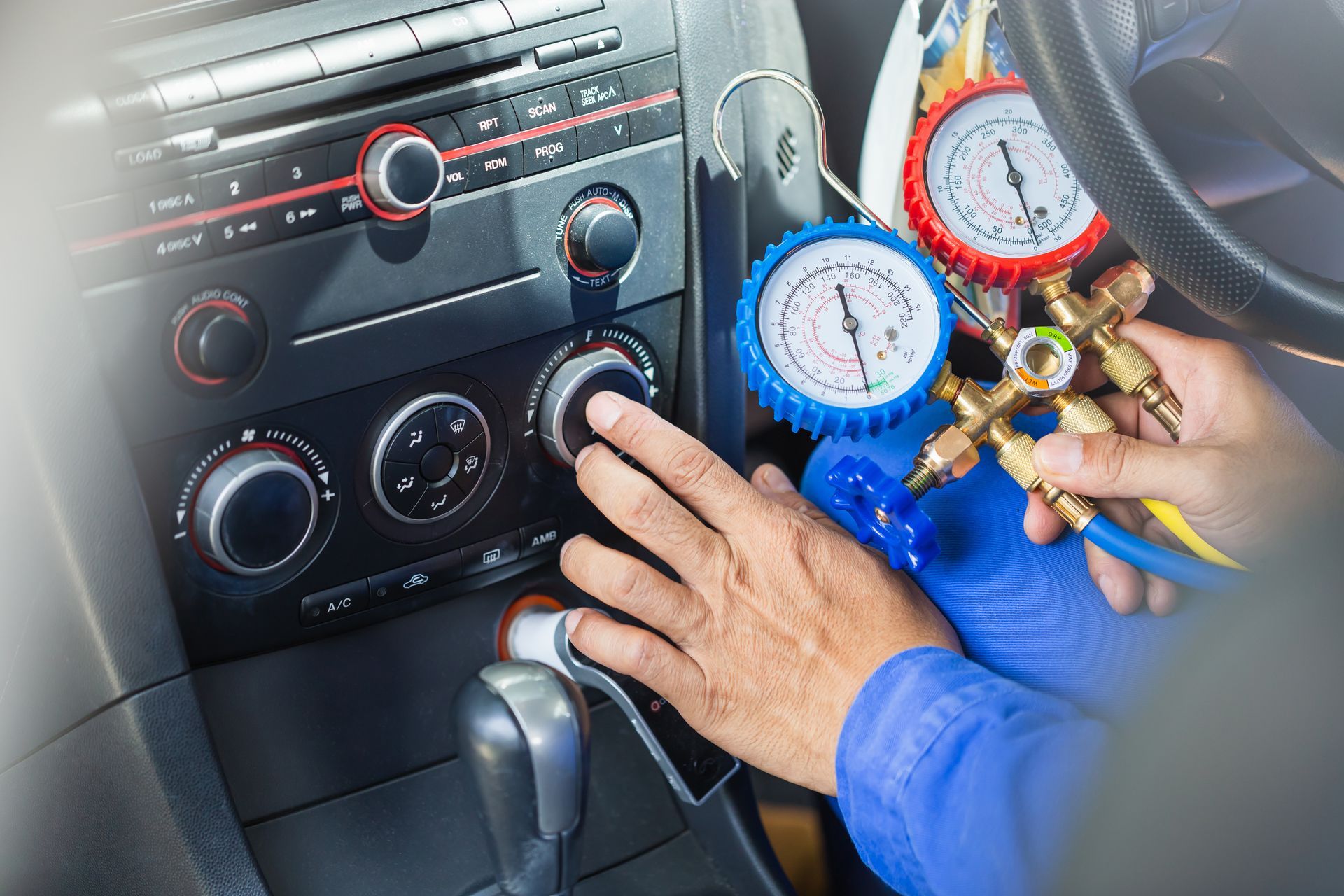
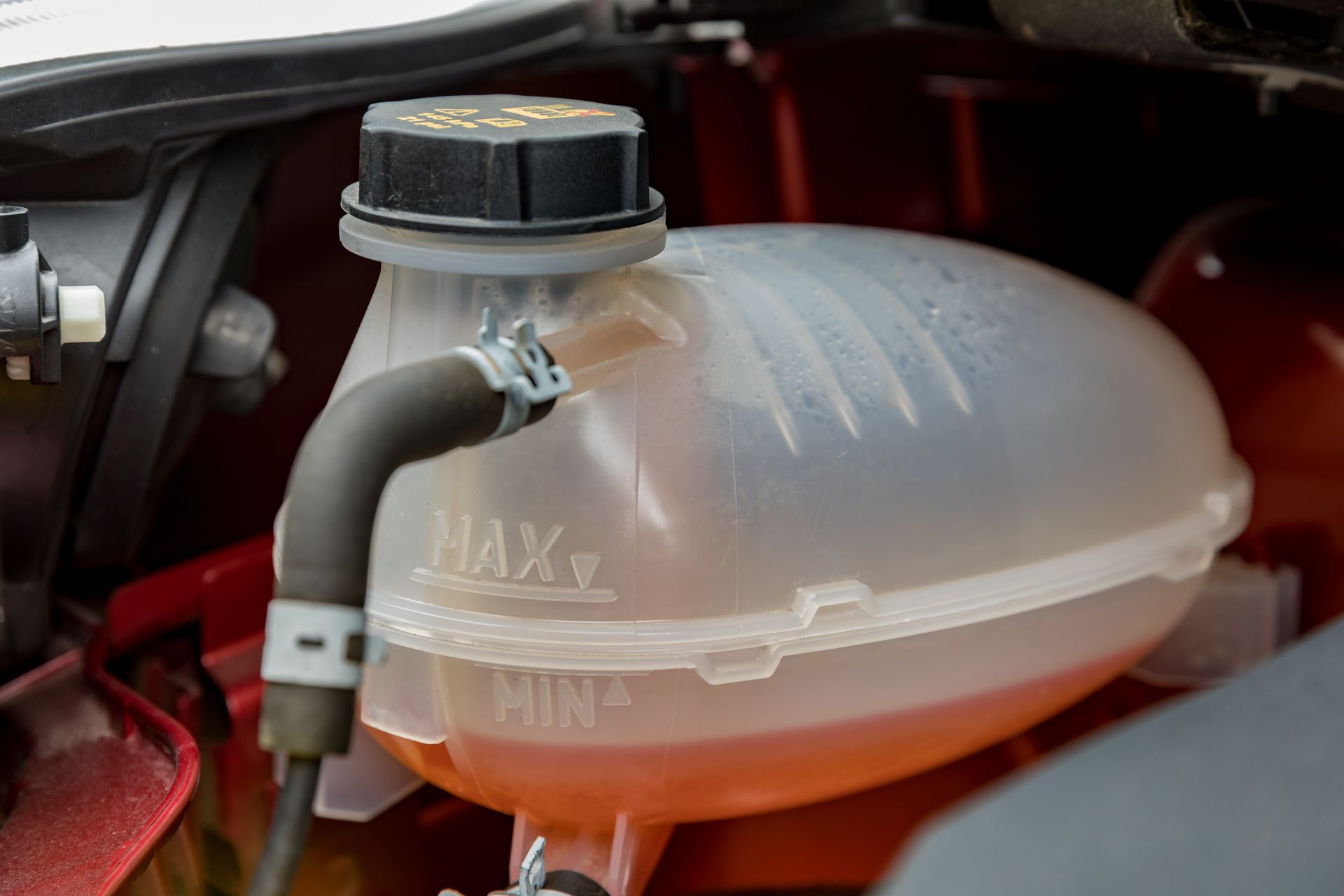
On many vehicles, the radiator and A/C condenser sit directly behind the grille, putting them in a vulnerable spot during an animal strike. A bent condenser can still allow the air conditioning to work at first, while a slightly damaged radiator may hold coolant until vibration or heat opens a small crack.
Look for coolant residue, a sweet smell after driving, rising engine temperature, or a sudden drop in A/C performance. Bent fins alone aren’t always serious, but crushed tubes, shifted mounts, or a fan pushed into the radiator need attention.
2. Look for Broken Cooling Fans and Shrouds
Plastic fan blades and shrouds can crack even when the bumper springs back into place. The fan may still spin, but a damaged blade can become noisy or throw the assembly out of balance.
One thing we check is whether the fan contacts anything when it starts at full speed. A vehicle might seem completely normal on a cool morning, then begin running warm in traffic when the electric fan is needed most. Broken shroud pieces can also move around and rub against a belt, hose, or rotating fan.
3. Make Sure the Headlights Are Still Aimed Correctly
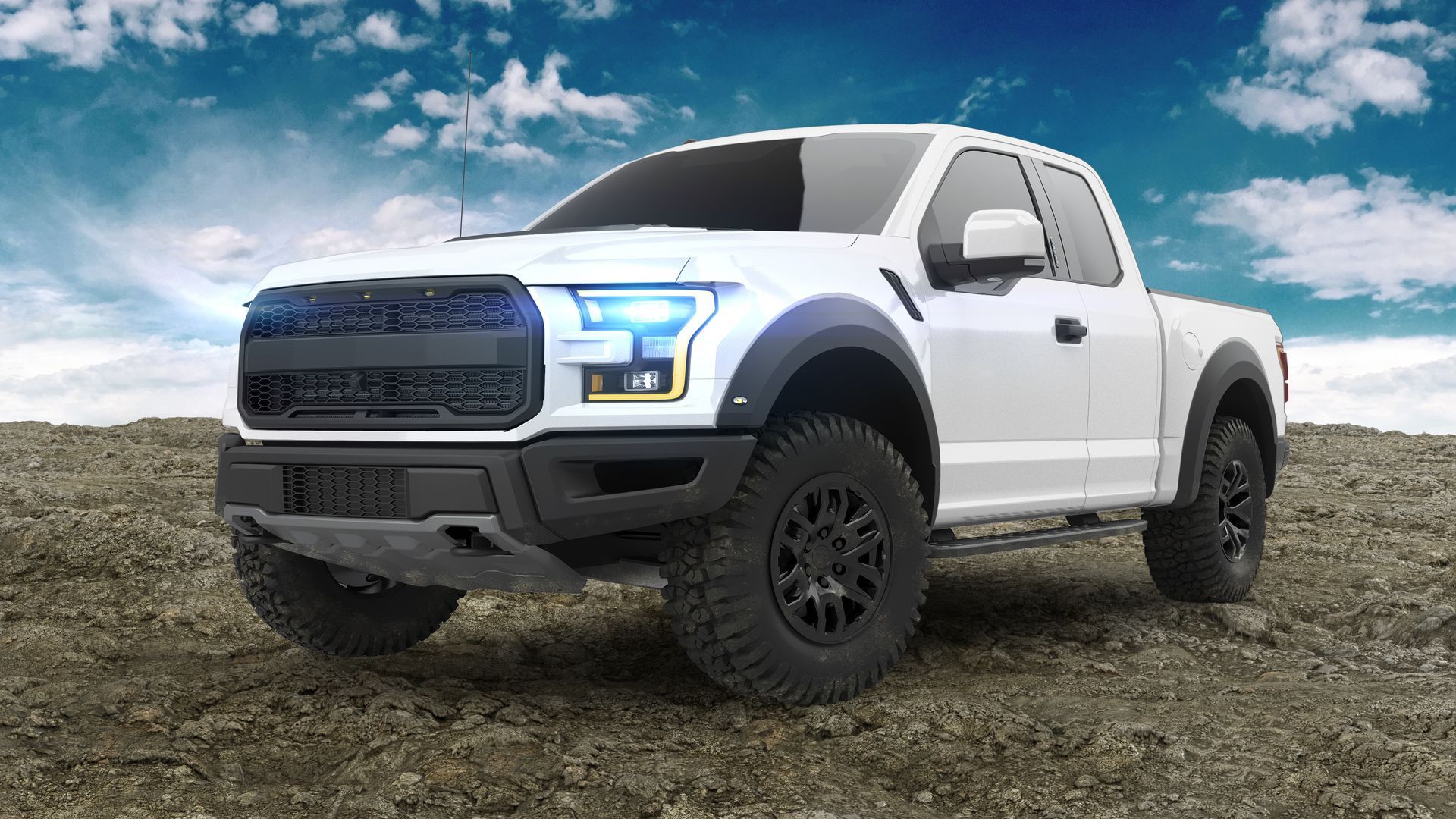
A headlight doesn’t have to be shattered to be damaged. The housing may look fine while one of its mounting tabs is broken behind the grille or fender. That can leave the beam aimed too high, too low, or toward oncoming traffic.
Newer headlights can be especially sensitive because some assemblies include leveling motors, LED control modules, or adaptive lighting components. Moisture inside the lens after the collision is another clue that the housing or seal has cracked.
4. Check Radar, Parking Sensors, and Cameras
Many late-model vehicles have driver-assistance sensors mounted in the bumper, grille, windshield, or nearby brackets. Forward-collision warning, adaptive cruise control, automatic emergency braking, and parking assistance can depend on those sensors being positioned very precisely.
A deer hit can move a bracket only a small amount and still affect what the sensor sees. You might get a warning message immediately, or everything may appear normal until the system is used under specific conditions. If collision repairs involve the sensor mounting area, you may need to recalibrate after the physical damage is repaired.
5. Inspect the Hood Latch and Front Support Structure
The hood can still close after an impact even when the latch, upper radiator support, or surrounding brackets have shifted. Sometimes you’ll notice the hood sits slightly higher on one side, requires more force to close, or has a gap that wasn’t there before.
That deserves more than a cosmetic look. The latch needs to hold the hood securely at highway speed, and the support structure helps position several front-end components. During an inspection, we check for bent brackets, torn mounting points, and parts that have been pushed backward even if the outer panels don’t look badly damaged.
6. Look for Wiring and Connector Damage
The front bumper area contains more wiring than many drivers realize. Headlights, fog lights, horns, outside temperature sensors, parking sensors, cooling fans, and safety systems may all have harnesses running through the area.
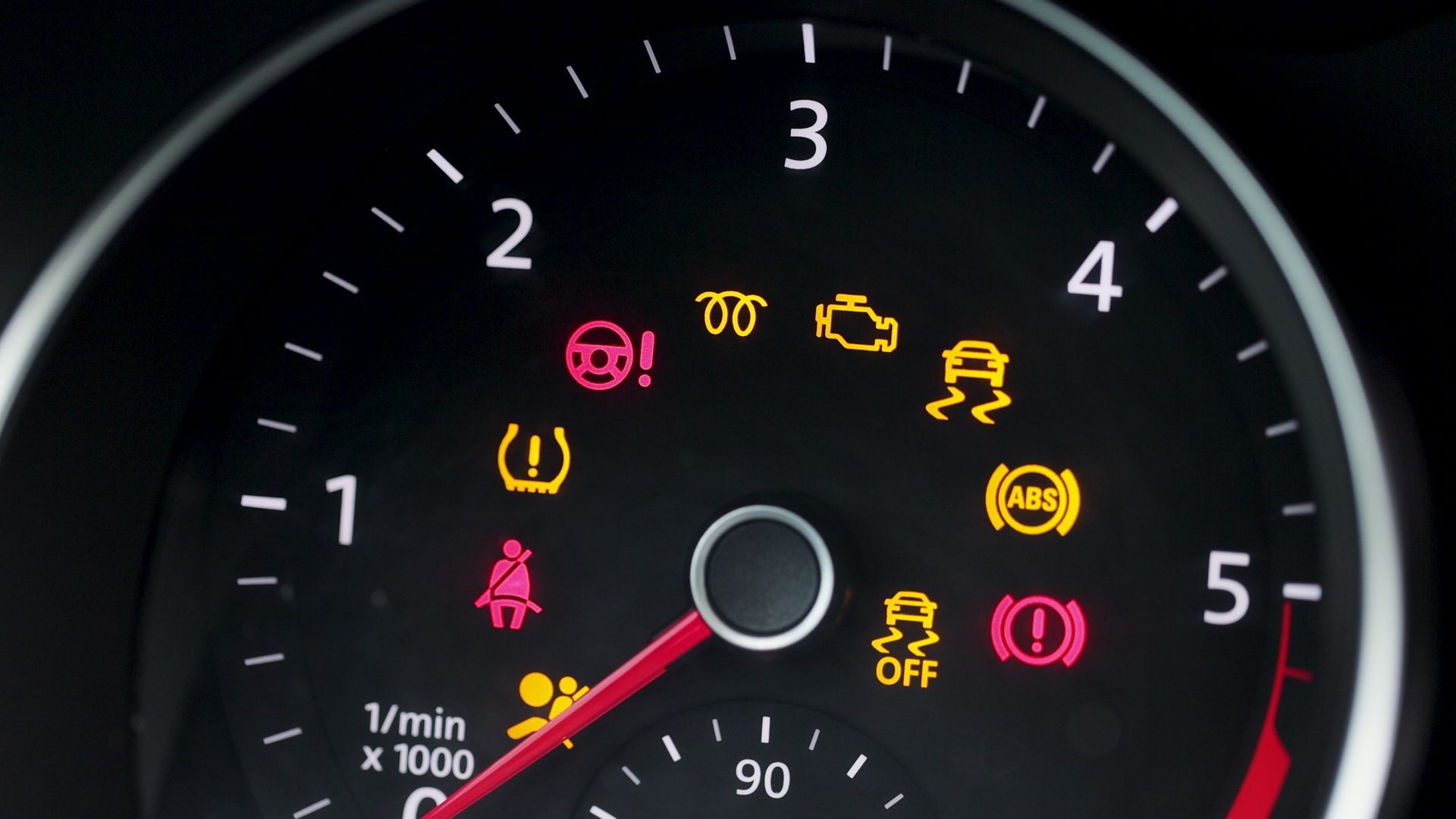
Impact can stretch wiring or partially pull a connector loose without breaking the circuit completely. That’s why an electrical problem may show up days later after rain, vibration, or repeated heat cycles. A warning light that appears after the collision shouldn’t automatically be treated as unrelated.
7. Check Alignment, Tires, and Suspension
A deer strike isn’t always straight into the bumper. If the animal hits one corner or gets pulled beneath the vehicle, the wheel, tire, inner fender, or suspension can take part of the impact.
Watch for a steering wheel that sits off-center, a new pull, tire rubbing, vibration, or a clunk over bumps. The vehicle can still drive even if a tie rod is slightly bent or an alignment angle has changed. Regular maintenance won’t prevent collision damage, but knowing how the car felt before the hit makes new steering or handling changes easier to recognize.
Get Deer Collision Damage Inspection In Wisconsin, With Grahams Auto & Truck Clinic
If you’ve hit a deer and the vehicle still seems drivable, Grahams Auto & Truck Clinic can check for hidden damage at our Poynette, Cottage Grove, and Madison, WI, service locations.
Bring it in before assuming a cracked grille or dented bumper is the only thing the impact affected.