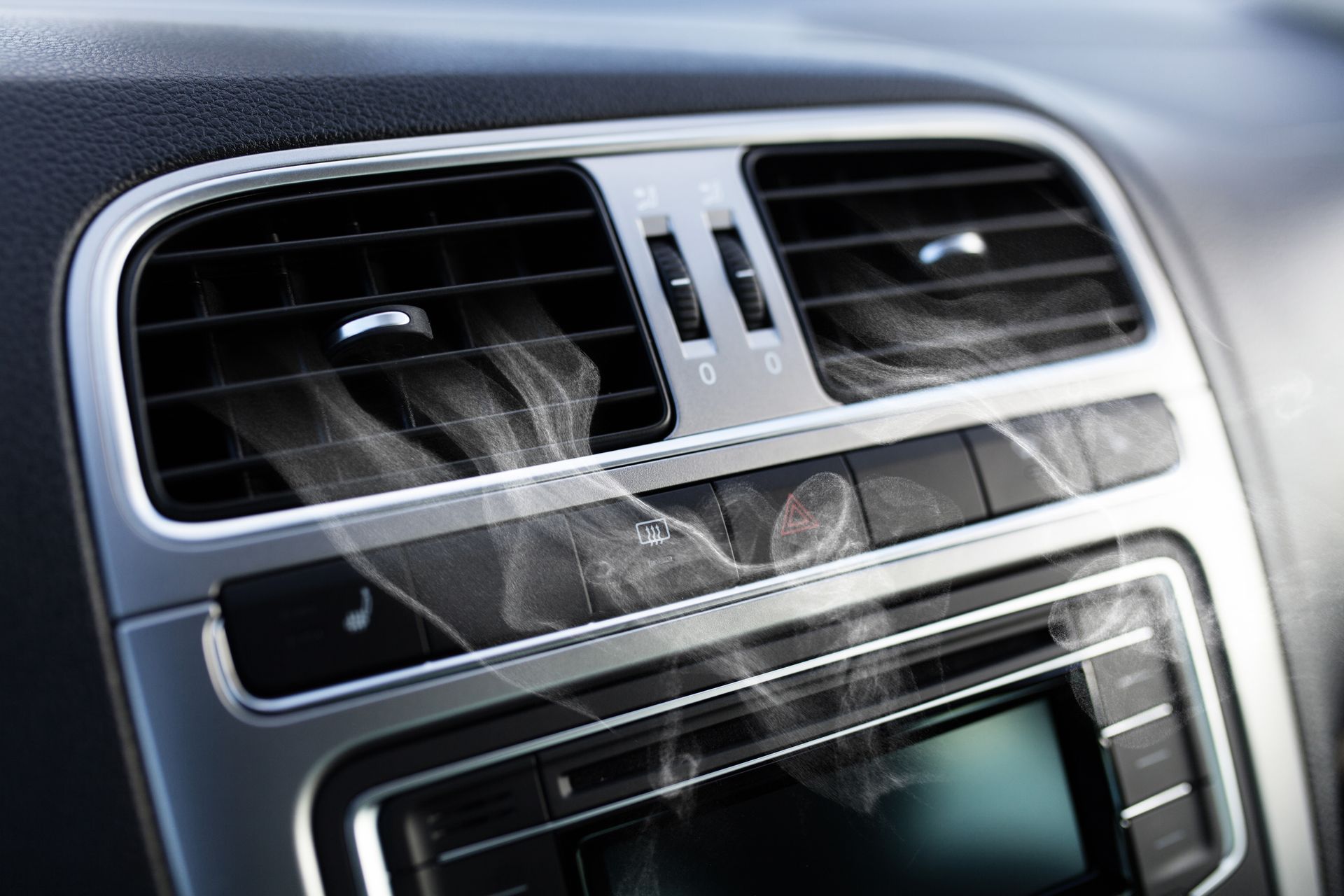
There is a specific kind of disappointment that happens on a blazing hot afternoon. You get into your car, the cabin feels like a sauna, and you immediately crank the air conditioning dial all the way down to Max Cool. You wait. You drive a mile. You hold your hand up to the vent, expecting a blast of arctic air, but all you get is a sad, lukewarm breeze that feels like someone gently breathing on you.
At our shop, we see this exact scenario play out every single week as the summer temperatures peak. A weak A/C isn't just uncomfortable; it turns a normal commute into an exhausting endurance test.
When your air conditioner goes from ice-cold to thoroughly mediocre, your car is trying to tell you something. Today, we are going to dive into what is happening behind your dashboard and look at the most common reasons your vehicle’s cooling system is giving you the lukewarm shoulder.
How Your A/C Actually Works
To understand why the air is warm, it helps to understand how it gets cold in the first place. A lot of people think an air conditioner creates cold air by magic. In reality, it works by removing heat from the air inside your cabin.
Your system relies on a chemical gas called refrigerant (commonly known as Freon). A compressor pumps this gas through a closed loop of tubes, changing it from a gas to a liquid and back again. As it shifts states, it absorbs the ambient heat from inside your car and dumps it outside through a miniature radiator called a condenser. If any single part of this pressurized loop gets lazy, the whole process stalls out, leaving you with ambient, lukewarm air.
The Top Reasons for Weak A/C Air
When a vehicle rolls into our service bay with a weak breeze, we generally start our investigation by checking a few specific, usual suspects.
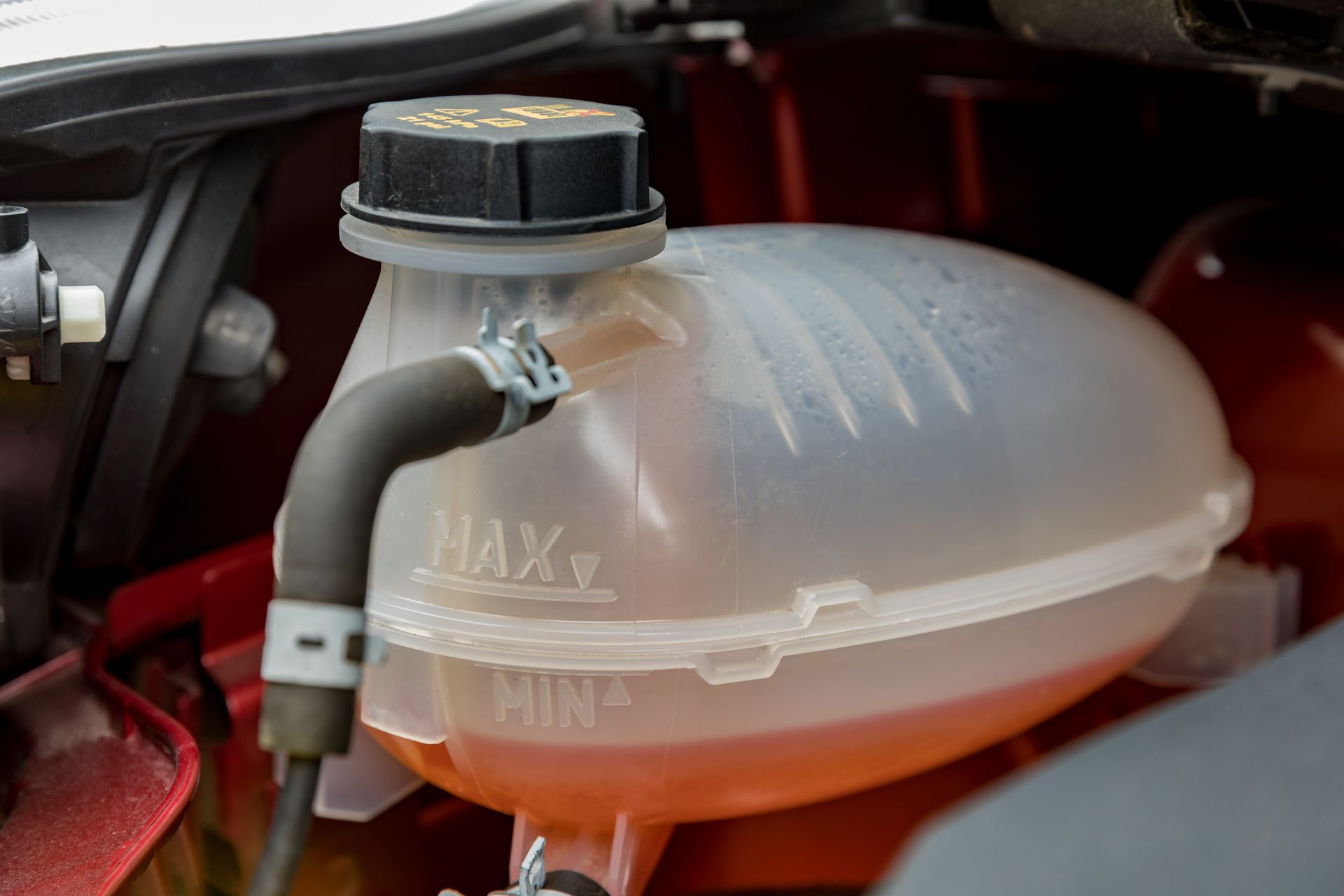
A Low Refrigerant Level (The Leak Issue): This is the number one cause of lukewarm air. Your A/C is a completely sealed system, meaning it should never naturally run out of refrigerant. If the level is low, it means you have a tiny leak somewhere in a hose, seal, or O-ring. Without enough chemical fluid to absorb the heat, the system just circulates cabin-temperature air.
A Failing Compressor: Think of the compressor as the heart of your A/C system. It’s a pump driven by your engine’s accessory belt. If the internal clutches fail or the pump wears out, it can’t pressurize the refrigerant. If the fluid isn't moving, the air isn't cooling.
The Cabin Air Filter Is Choked: Sometimes, the cooling system itself is working perfectly, but the air can’t get through. If your cabin air filter is packed with a year’s worth of dust, pollen, and leaves, it chokes the airflow. The restricted air moves too slowly, absorbing engine heat along the way and arriving at your face feeling warm.
Electrical or Blend Door Glitches: Modern cars use tiny electric motors called blend door actuators to mix hot air from your heater core with cold air from your A/C. If an actuator breaks or sticks, it might leave the heater door halfway open, fighting against your air conditioner and creating a permanent state of lukewarm confusion.
Why the Quick-Fix Cans Often Backfire
It is incredibly tempting to walk into a local auto parts store, buy a twenty-dollar can of DIY refrigerant, and try to hook it up to your car in the driveway. We see people try this all the time, and unfortunately, it often ends up costing them much more in the long run.
First, those cans don't fix the leak; they just temporarily mask it. Second, modern automotive A/C systems are incredibly precise. Being just an ounce or two overcharged can cause the system to shut down entirely to protect itself, or worse, it can destroy the compressor. Furthermore, many DIY cans contain leak-sealing additives that can gum up the professional recovery machines we use, meaning a simple fix turns into a massive hardware headache.
Let Grahams Auto & Truck Clinic Get You Chilled Out
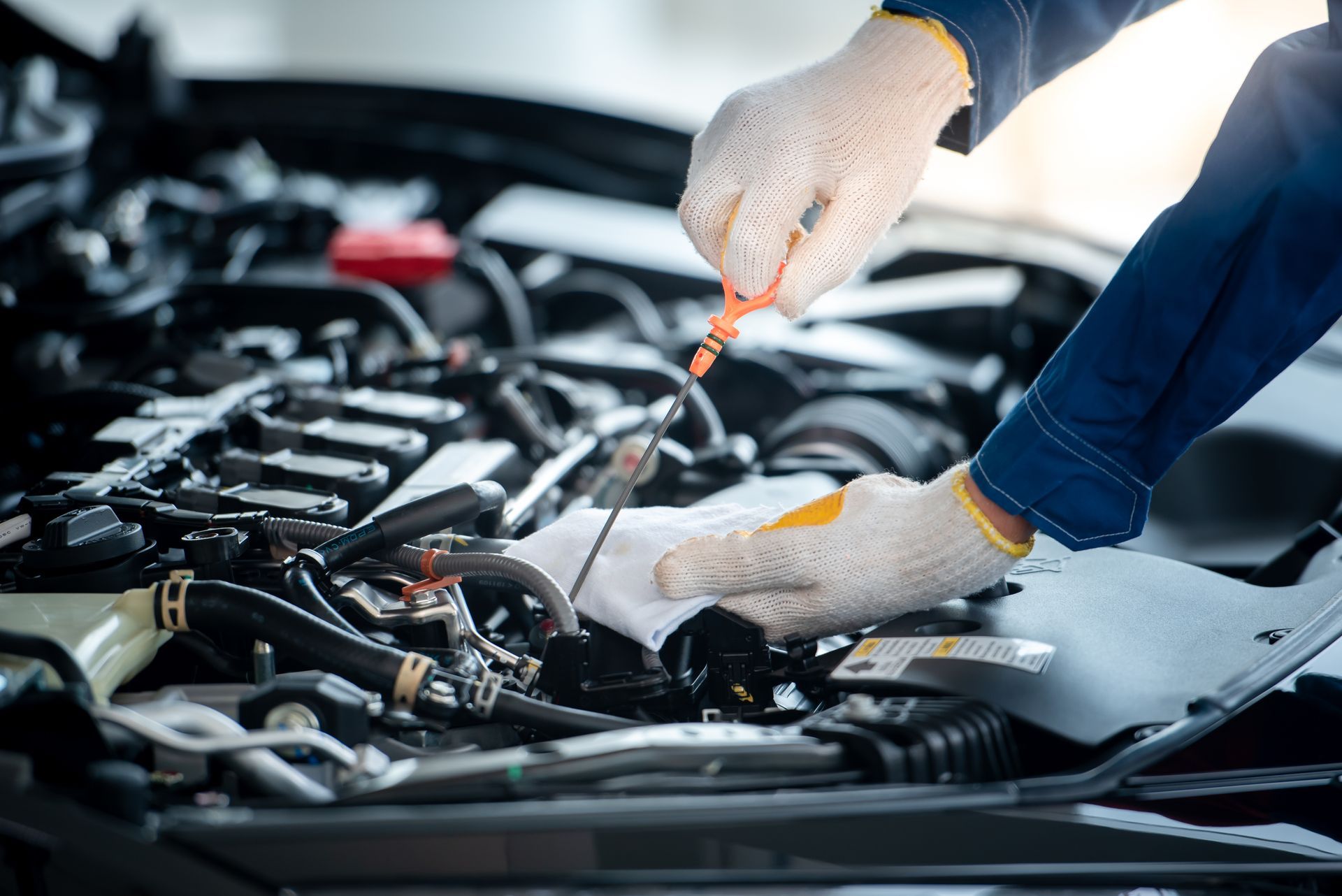
Getting your car's climate control back to normal requires specialized tools that can read both the high- and low-pressure sides of the system simultaneously. We can run a full performance test to pinpoint exactly where the breakdown is happening, whether you just need a precise recharge with UV dye to track down a slow leak, or a quick replacement of a faulty electrical relay.
Is your car’s A/C losing the battle against the summer heat? Give Grahams Auto & Truck Clinic in Poynette, Cottage Grove, and Madison, WI a call or schedule an appointment online today.
We’ll perform a comprehensive A/C check and get your vents blowing ice-cold air once again!